9/11's enduring legacy: 'War on terror' language and human cost over 25 years
Twenty-five years after 9/11, the legacy of the attacks continues to shape the language of conflict and has resulted in a significant human cost from the ensuing "War on Terror."
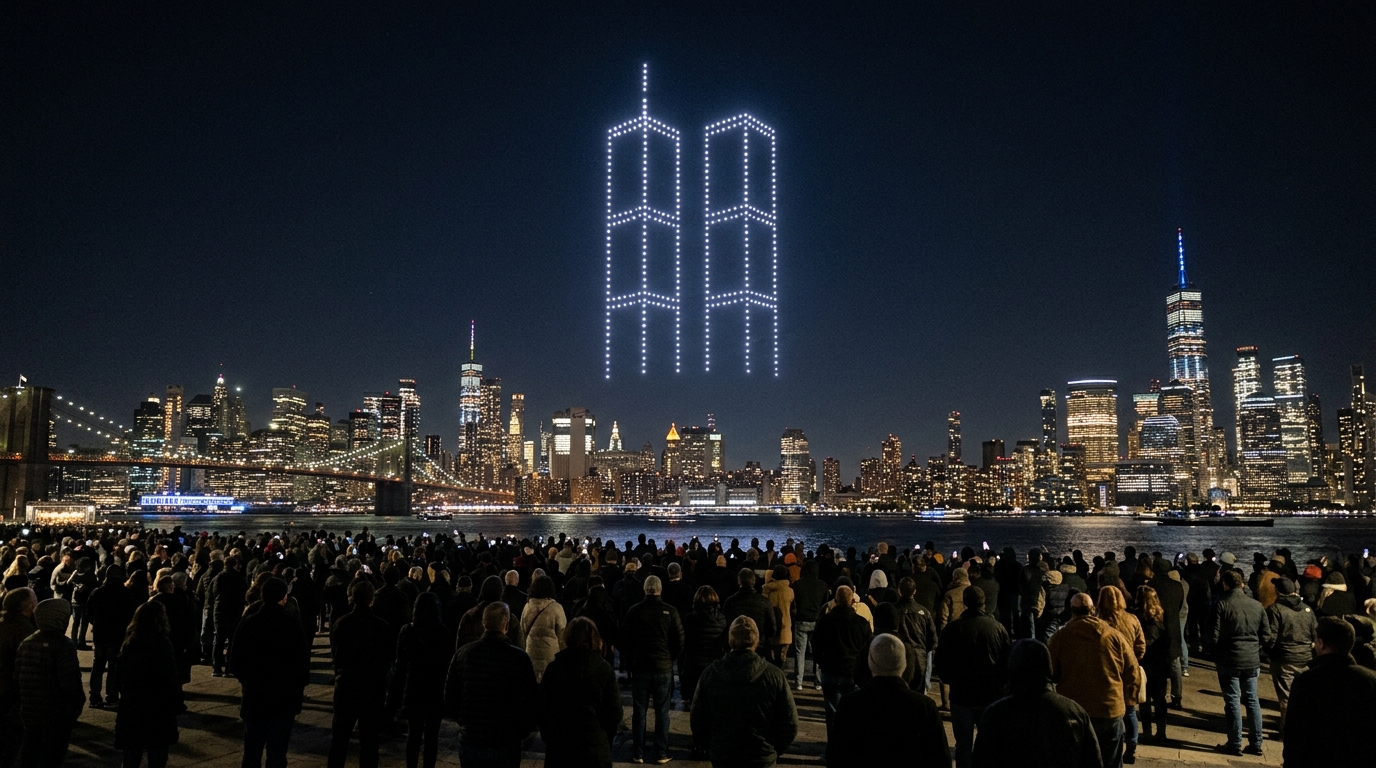
Image is an AI-generated illustration, not a real photograph.
Twenty-five years after the devastating 9/11 attacks, the ensuing "War on Terror" has profoundly reshaped global conflict discourse and incurred immense human and financial costs. Initiated by the United States following the attacks, this global military campaign became a defining framework for American foreign policy for a quarter-century. It led to extensive military operations and counterterrorism efforts across numerous countries, alongside a substantial expansion of national security infrastructure domestically and internationally.
The human toll of these conflicts has been staggering, with an estimated 4.5 to 4.7 million direct and indirect deaths in post-9/11 war zones such as Iraq, Afghanistan, Syria, Yemen, and Pakistan between 2001 and 2023. This includes over 432,000 civilians killed by direct violence. Beyond combat fatalities, thousands of individuals, including first responders and survivors, have suffered long-term health issues from toxic exposure at attack sites. The interventions also resulted in significant displacement of populations, immense public spending, and enduring debates over civil liberties.
The legacy of the "War on Terror" extends to its impact on language and governance, with the term "counterterrorism" becoming a widespread diplomatic and political vocabulary. Critics argue that this framework has been counterproductive, fostering an increase in violent extremist groups and normalizing state violence, mass surveillance, and indefinite detention in many parts of the world. While the objective of preventing large-scale attacks on the U.S. homeland has largely been met, the strategy has also been critiqued for eroding civil liberties and leaving the United States "poorer, more divided, less respected, more world-weary, and less sure of itself."
What each outlet emphasizes
- AJ: explores how 9/11 changed the language of conflict and the 'human cost of 25 years of US wars'
- BBC: mentions a drone display recreating the Twin Towers over New York City
Read it at the source
aljazeera.com ↗ orfonline.org ↗ brookings.edu ↗ cfr.org ↗ foreignaffairs.com ↗