Afghanistan's crisis deepens five years after Taliban takeover
Five years after the Taliban seized control, Afghanistan faces a deepening crisis, with ongoing challenges and threats to former police workers.
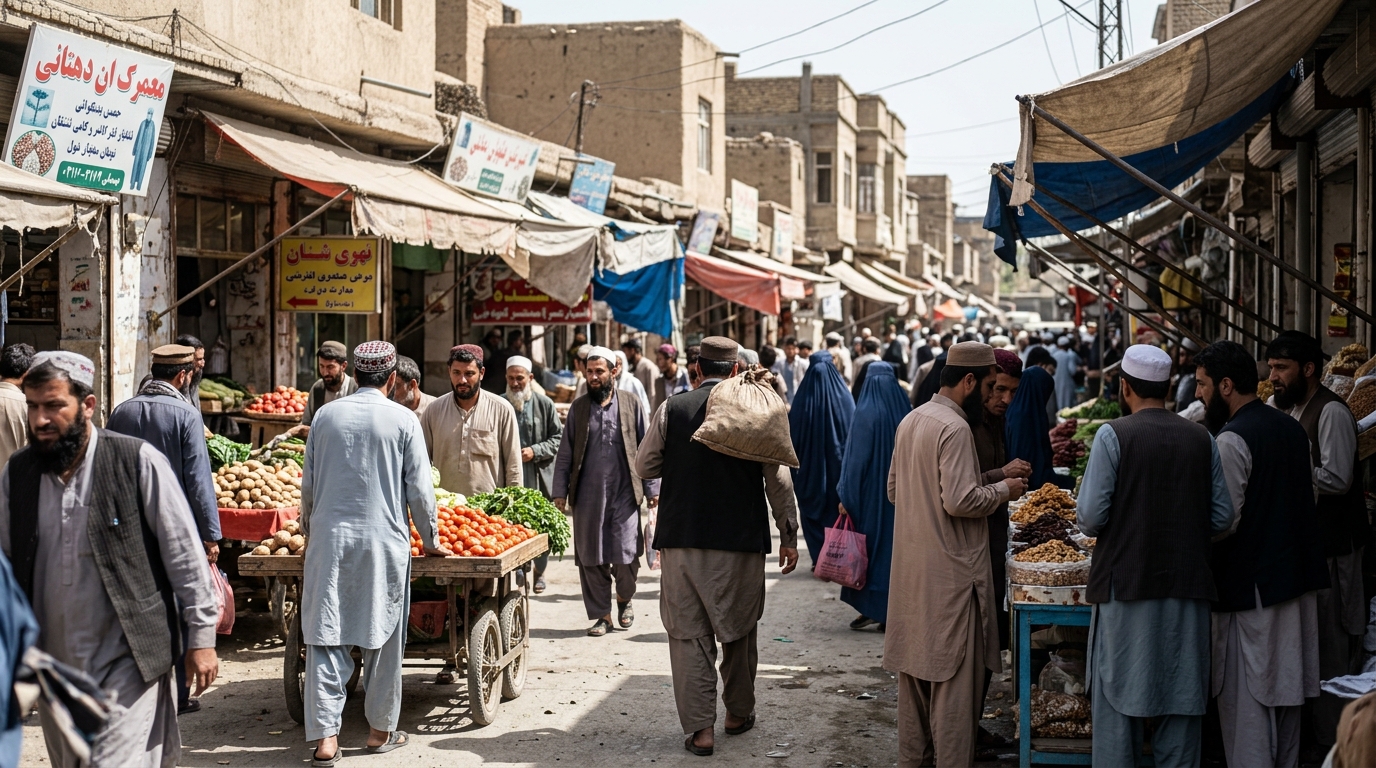
Image is an AI-generated illustration, not a real photograph.
Five years after the Taliban seized control, Afghanistan is grappling with an intensifying crisis, marked by severe human rights abuses, a collapsing economy, and a dire humanitarian situation. The Taliban's rule, which began on August 15, 2021, has systematically dismantled many fundamental rights, particularly for women and girls, who face extensive restrictions on education, employment, and public life, leading many organizations to describe the situation as "gender apartheid". Recent decrees in 2026 have further eroded women's access to justice and legal equality.
Economically, the country has plunged into collapse, with the national budget significantly reduced, the public pension system abolished in 2024, and unemployment nearly doubled since the takeover. This economic decline, compounded by cuts in foreign assistance and mass returns of refugees, has exacerbated a protracted humanitarian crisis, leaving almost half the population in need of assistance and millions facing acute food insecurity.
Former Afghan police workers and other security personnel continue to face grave threats and persecution. Hundreds have been victims of enforced disappearance and extrajudicial killings by the Taliban or unidentified armed individuals, despite a declared general amnesty. Many live in hiding and have received direct threats, with some even denied resettlement by international governments despite documented risks and identity leaks.
What each outlet emphasizes
- CNN: states 'Afghanistan’s crisis deepens'
- AJ: explores what the Taliban achieved and failed to achieve in five years, and how they deal with opposition
- The Guardian: reports Taliban threatening former Afghan police worker after an MoD leak revealed identity
Read it at the source
hrw.org ↗ theguardian.com ↗ georgetown.edu ↗ equalitynow.org ↗ cshrn.org ↗