What to know about alpha-gal syndrome, the life-threatening meat allergy caused by tick bites
Experts are clarifying information about alpha-gal syndrome, a serious, life-threatening meat allergy caused by tick bites, while dispelling conspiracy theories about its spread.
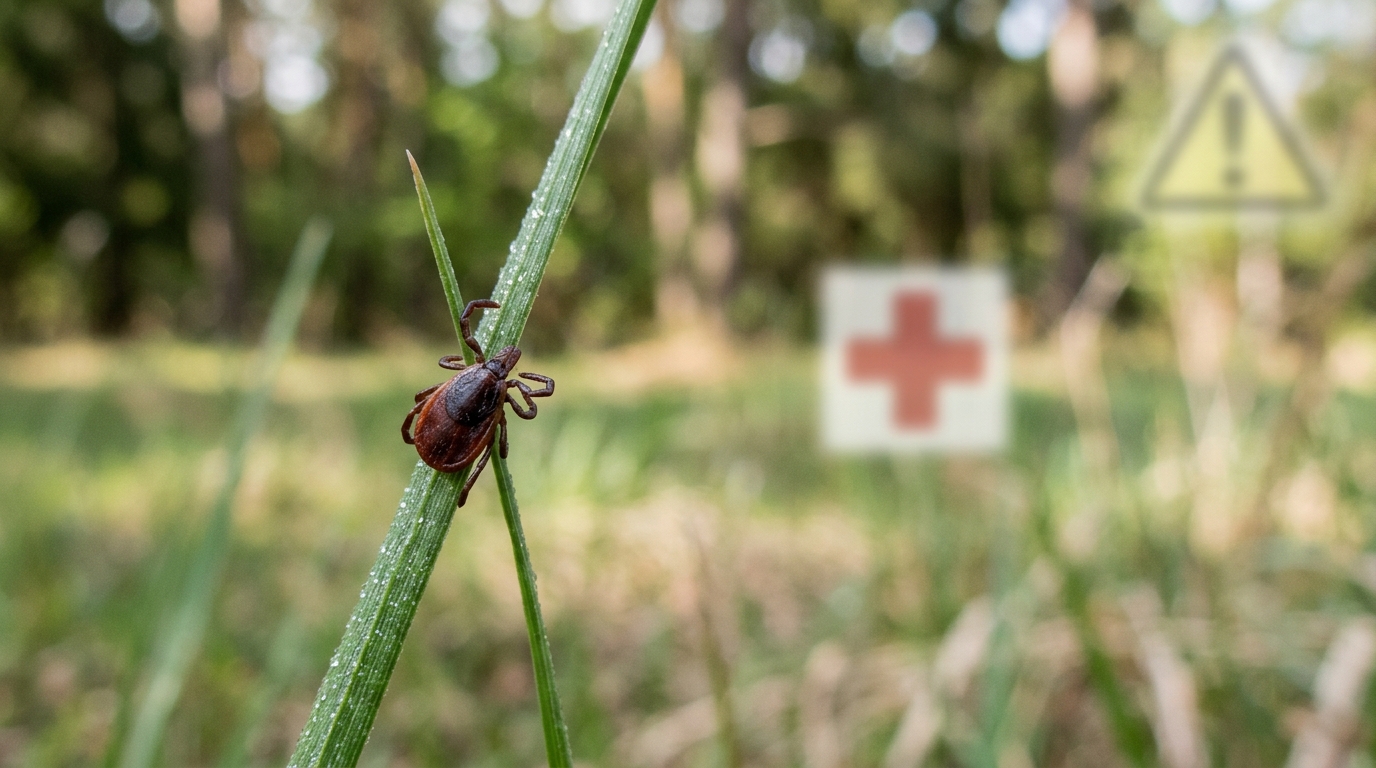
Image is an AI-generated illustration, not a real photograph.
Alpha-gal syndrome (AGS) is an emerging and potentially life-threatening allergic condition triggered by tick bites, primarily from the lone star tick in the United States, which transmits a sugar molecule called alpha-gal. This molecule is naturally present in most mammals but not in humans, and upon introduction by a tick bite, the human immune system can develop an allergic response. This sensitization leads individuals to react to mammalian meat and other animal-derived products.
A distinguishing feature of AGS is the delayed onset of symptoms, which typically appear two to eight hours after consuming red meat like beef, pork, or lamb, or products such as dairy and gelatin. Reactions can range from mild issues like hives, itching, and gastrointestinal distress to severe, life-threatening anaphylaxis involving difficulty breathing, a sudden drop in blood pressure, and swelling. This delay often makes it challenging to connect the symptoms to food consumption, leading to potential misdiagnosis.
Cases of alpha-gal syndrome are increasing significantly, with estimates suggesting up to 450,000 people in the United States may be affected, though many remain undiagnosed due to lack of awareness among healthcare providers. There is no cure for AGS; management primarily involves strict avoidance of mammalian products and preventing further tick bites. Recent developments include the approval of omalizumab (Xolair) to help mitigate severe allergic reactions from accidental exposure.
What each outlet emphasizes
- BBC: debunks conspiracy theories about a plot to make people allergic to meat
- AP: provides information on alpha-gal syndrome, a life-threatening meat allergy caused by tick bites
Read it at the source
ccjm.org ↗ cdc.gov ↗ tufts.edu ↗ medpagetoday.com ↗ yalemedicine.org ↗