Brazil Reports Record Fall in Amazon Deforestation Ahead of Key Election
Brazil has announced the lowest level of Amazon deforestation on record, a significant environmental development ahead of an important election.
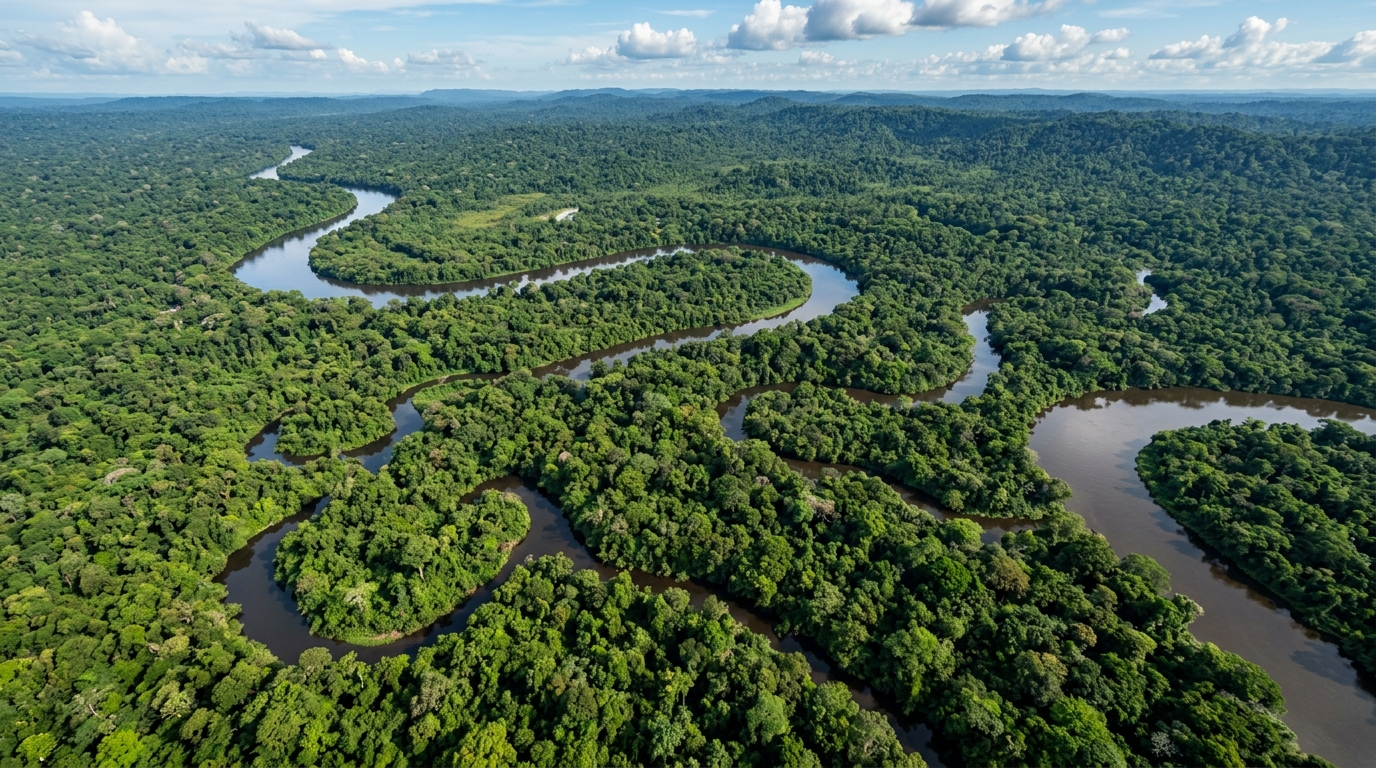
Image is an AI-generated illustration, not a real photograph.
Brazil's Amazon rainforest experienced its lowest level of deforestation on record during the 12-month period ending July 31, 2026, marking a significant development in global climate efforts. New government data shows forest clearance decreased by 41.8% to 3,335 square kilometers, the smallest total since records began in 1988. This reduction surpasses the previous record low by 1,236 square kilometers.
The substantial decline is largely attributed to strengthened enforcement measures and increased investment in environmental agencies under President Luiz Inácio Lula da Silva's administration, which began in January 2023. Since 2022, the deforestation rate has slowed by over 71%, reversing a surge that occurred during the previous presidency. Halting deforestation is recognized as a vital, cost-effective, and rapid method to reduce greenhouse gas emissions, with tropical forests acting as crucial carbon sinks.
Despite this progress, the future of the Amazon remains a concern due to an upcoming presidential election with candidates holding differing views on environmental protection. Ongoing threats include illegal gold mining, forest fires, and the intensifying impact of climate change, particularly a strong El Niño expected to bring hotter and drier conditions that could fuel more wildfires in 2026 and 2027. Scientists caution that deforestation combined with climate change could push the Amazon towards an irreversible tipping point as early as the 2040s, potentially transforming much of the biome and releasing large quantities of stored carbon.
What each outlet emphasizes
- BBC: reports Brazil sees a record fall in Amazon deforestation as a key election looms
- AJ: confirms Brazil's Amazon deforestation hits its lowest level on record
Read it at the source
theguardian.com ↗ leighjournal.co.uk ↗ mongabay.com ↗ nih.gov ↗ ed.ac.uk ↗