What we should make of CIA boss's secret trip to Moscow
The CIA director's unannounced 10,000-mile return dash to Moscow has sparked speculation and debate about the nature of US-Russia relations.
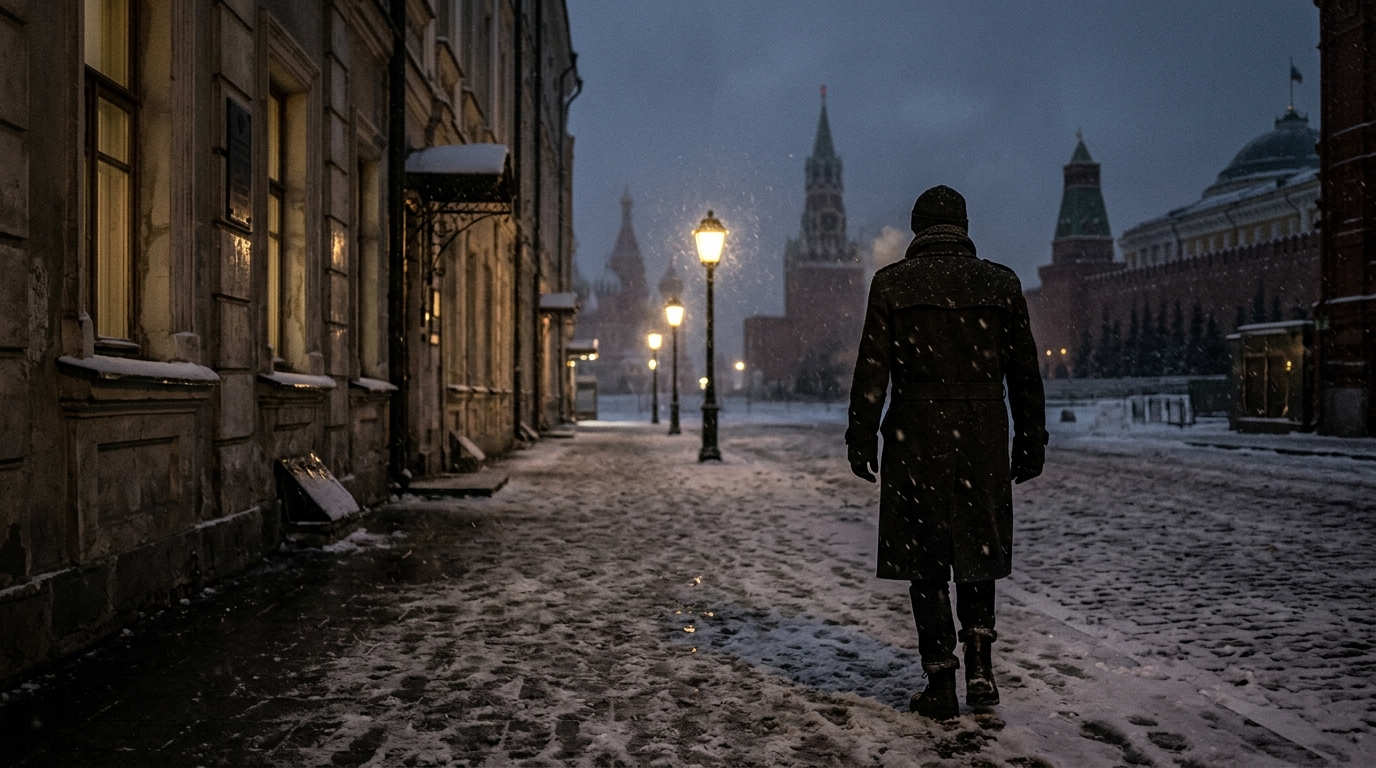
Image is an AI-generated illustration, not a real photograph.
CIA Director John Ratcliffe recently undertook a rare, unannounced visit to Moscow on August 25, 2026, sparking widespread speculation regarding the nature of current U.S.-Russia relations. The secretive journey, involving a U.S. Air Force transport plane tracked from the Washington D.C. area, saw Ratcliffe meet with Russian intelligence officials, though he did not hold discussions with President Vladimir Putin. President Trump characterized the trip as "semi-routine" and suggested it was linked to efforts to conclude the ongoing conflict in Ukraine, while the Kremlin confirmed the meeting but dismissed media reports about its purpose as "scare stories."
The trip occurred amidst a tense period, with the war in Ukraine entering its fifth year and escalating concerns over Russia's deepening ties with Iran. Intelligence assessments indicate that Ratcliffe's primary objectives may have included delivering a stern warning against any potential Russian aggression towards NATO member states. There is also speculation that discussions focused on urging Moscow to cease its support for Iran, particularly regarding satellite launch assistance and other military capabilities. This visit notably echoes a 2021 trip by then-CIA Director William Burns, who traveled to Moscow to caution Russia against invading Ukraine.
While the full details of Ratcliffe's discussions remain undisclosed by U.S. officials, the unannounced nature and high-level engagement underscore the critical state of bilateral relations. Experts suggest the rapid, long-distance trip implies urgent matters were at stake, possibly representing a U.S. "ultimatum" to the Kremlin. Despite the conflicting narratives from Washington and Moscow, the rare direct contact between intelligence chiefs highlights ongoing efforts to manage a complex and increasingly volatile geopolitical landscape.
What each outlet emphasizes
- BBC: questions what to make of the secret trip, emphasizing its non-routine nature and the distance traveled.
- The Guardian: reports Trump downplaying the visit as ‘semi-routine’ and mentions Russia saying UK ‘playing with fire’ amid reports of CIA chief warning Kremlin not to attack Nato, linking it to broader geopolitical tensions.
Read it at the source
rferl.org ↗ cbsnews.com ↗ cbsnews.com ↗ wionews.com ↗ kyivpost.com ↗