Experimental mRNA cancer vaccine shows promise in major trial, cutting recurrence risk
An experimental mRNA cancer vaccine has shown significant success in trials, reducing the risk of disease recurrence for patients.
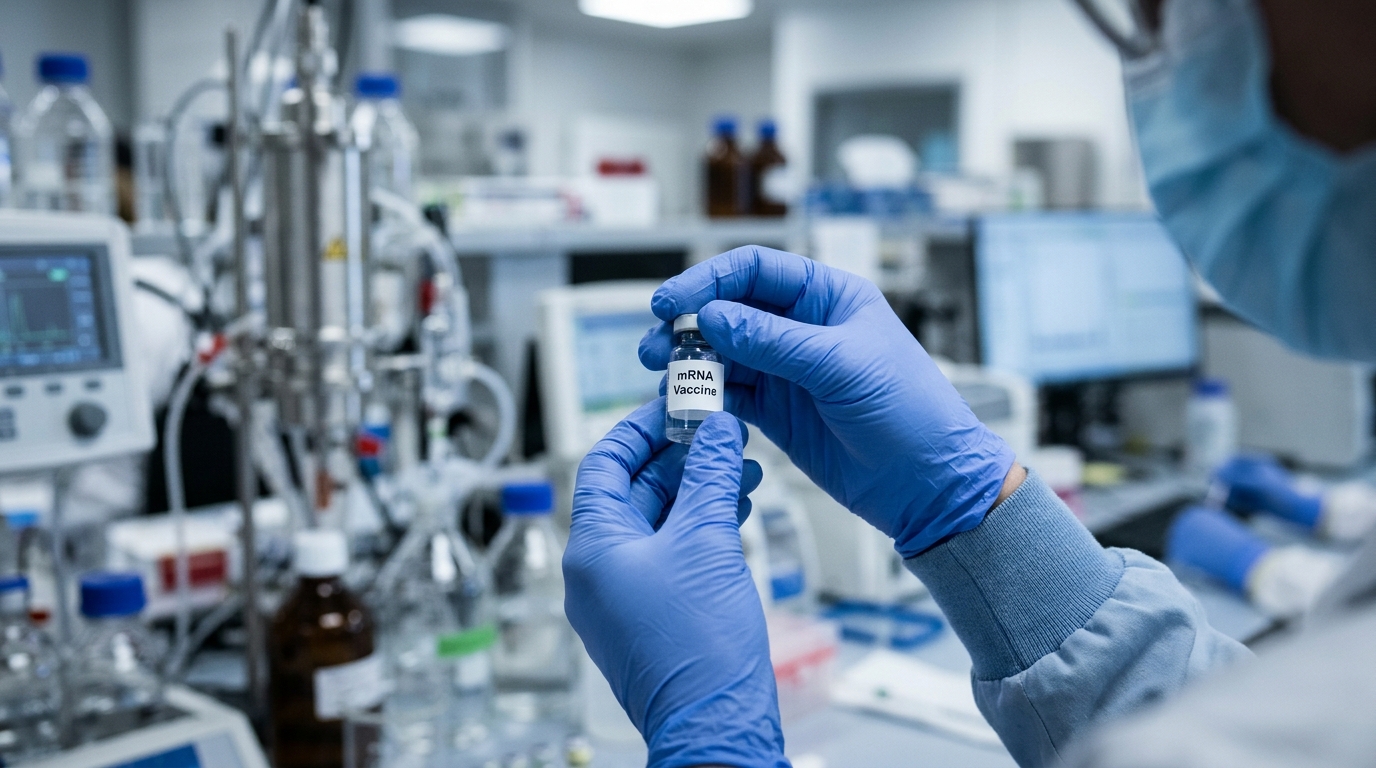
Image is an AI-generated illustration, not a real photograph.
A new experimental personalized mRNA cancer vaccine, developed by Moderna and Merck, has shown significant success in a major Phase 3 clinical trial for high-risk melanoma. The vaccine, known as intismeran autogene (V940 or mRNA-4157), when administered alongside Merck's immunotherapy drug Keytruda (pembrolizumab) after surgery, reduced the risk of cancer recurrence or death by 42%. Additionally, the combination therapy was found to reduce the risk of the cancer spreading by 38%.
This large-scale trial, which involved over 1,100 patients, represents a notable advancement in personalized cancer treatment, being the first Phase 3 study of an individualized neoantigen therapy to demonstrate such a benefit over Keytruda alone. The personalized mRNA vaccine works by instructing the patient's immune system to recognize and target unique mutations present in their specific tumor, complementing Keytruda's action of unleashing the immune system against cancer cells.
While the full detailed results were recently released and are slated for presentation at the European Society for Medical Oncology (ESMO) Congress 2026, initial reports indicate minimal side effects, including fatigue and fever. The positive outcomes have led the developers to engage with regulatory authorities, hinting at potential filings for approval soon, and the technology is also being investigated for other cancer types, such as lung and pancreatic cancers.
What each outlet emphasizes
- CNN: reports on the experimental mRNA cancer vaccine
- BBC: emphasizes the first personalized cancer vaccine cutting the risk of disease returning in a major trial
Read it at the source
cnn.com ↗ the-independent.com ↗ kfgo.com ↗ washingtonpost.com ↗ independent.co.uk ↗