FIFA World Cup preparations face skepticism amid economic and political concerns
As the FIFA World Cup approaches, preparations are underway, but the tournament faces skepticism regarding its economic impact and political implications, alongside logistical challenges.
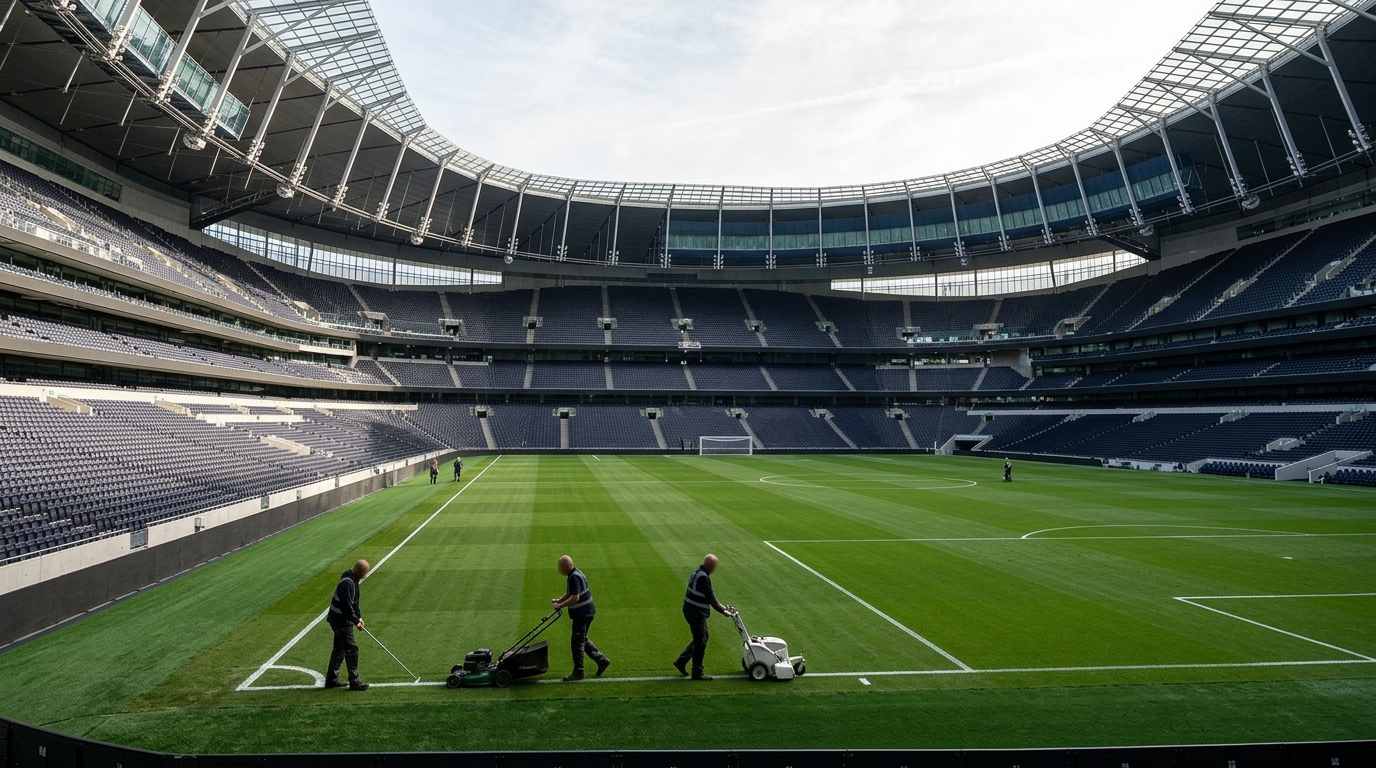
Image is an AI-generated illustration, not a real photograph.
The FIFA World Cup 2026, set to be the largest in history, is anticipated to bring significant economic advantages to its North American host cities across the United States, Canada, and Mexico. Projections suggest a gross economic output of approximately $80 billion for the region, with individual cities like Atlanta and Los Angeles expecting hundreds of millions to over a billion dollars in economic activity through increased tourism, job creation, and infrastructure development. However, some independent economists have cautioned that the actual financial benefits might not meet these high official forecasts, citing potential high hosting costs and issues like unsold tickets.
Beyond economic discussions, environmental concerns are drawing considerable scrutiny, particularly regarding player safety due to extreme heat and the tournament's overall carbon footprint. Climate change has heightened the risk of dangerously hot conditions, with studies indicating many matches will likely occur in temperatures requiring mandatory cooling breaks or even postponement, a concern underscored by recent events. Player unions advocate for stricter heat guidelines than FIFA's current thresholds. Furthermore, the expanded 48-team format and extensive travel across three host nations are projected to make the 2026 World Cup the most carbon-intensive in history, primarily due to spectator air travel.
What each outlet emphasizes
- CNN: offers a beginner’s guide to the World Cup
- BBC: reports a Somali referee barred from entering US and questions the cost of a 'super-sized and politicised' World Cup
- AJ: questions if the World Cup will be an economic bonanza and confirms US denied entry to Somali referee
- The Guardian: provides guides for players and predicting victory paths
- AP: notes FIFA and Infantino draw bipartisan skepticism ahead of the World Cup
Read it at the source
partnersrealestate.com ↗ aa.com.tr ↗ yenisafak.com ↗ losangelesfwc26.com ↗ latimes.com ↗