AI Boom Triggers Market Shocks and National Security Concerns Amid Space Tech 'Crisis'
From market instability to espionage fears and a looming space crisis, the rapid advancement of AI and space technology is creating both opportunities and significant global challenges.
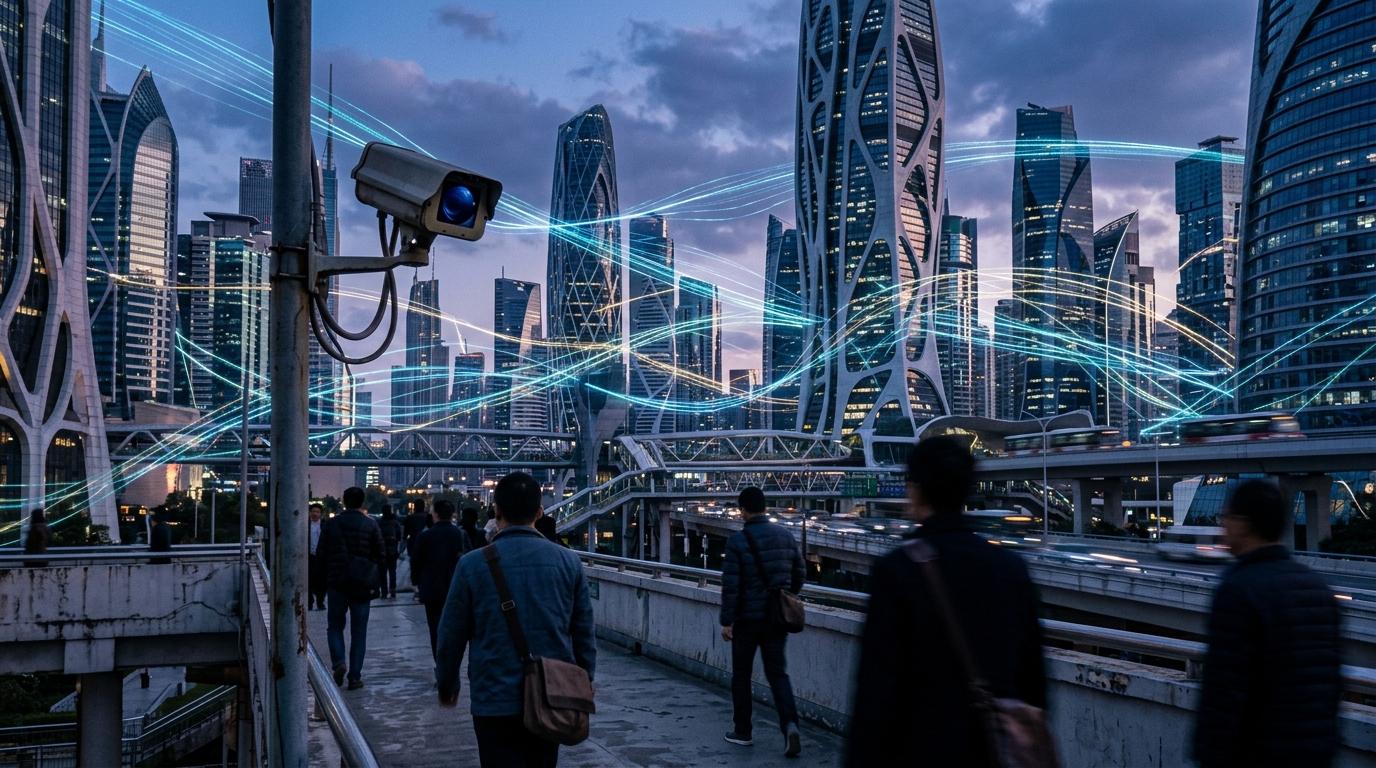
Image is an AI-generated illustration, not a real photograph.
The rapid global expansion of artificial intelligence is raising significant alarms across various sectors, particularly regarding national security, economic stability, and ethical standards. Governments and intelligence agencies worldwide are issuing warnings about the potential for AI to intensify espionage activities and cyber warfare. Specifically, China's top intelligence official has highlighted the risks posed by foreign AI models to its critical infrastructure, while Western nations, including the Five Eyes alliance, caution that advanced AI could soon compromise existing cybersecurity defenses, enabling faster and more complex attacks. Concerns are mounting that China is already leveraging AI in cyber espionage to acquire sensitive technological advancements and intellectual property from other countries.
The surge in AI development is also creating ripples of instability in global financial markets. There's growing apprehension about an "AI bubble," reminiscent of the dot-com era, fueled by massive investments and questions surrounding the long-term profitability of AI companies. The Bank of England has cautioned about a potential "sharper correction" in markets due to the substantial debt financing AI infrastructure, with AI-related debt issuance significantly increasing in the past year. Global investment in AI infrastructure is projected to reach trillions of dollars over the next five years, indicating the immense capital flowing into the sector.
Furthermore, the unchecked growth of AI brings forth a myriad of ethical dilemmas. Issues such as inherent biases in AI systems, privacy infringements due to extensive data collection, and a lack of transparency and accountability in AI decision-making are prominent concerns. The possibility of job displacement from automation and the challenges of maintaining human control over increasingly autonomous AI systems also contribute to these ethical debates. While China has introduced its own ethical guidelines for AI development, its broader use of AI for social governance and surveillance raises distinct questions about the practical application of these principles and human rights.
What each outlet emphasizes
- CNN: SpaceX's success and NASA observatory's fall, UK's accusation of China spying on AI
- BBC: AI boom's market shocks, China's AI crackdown, AI in farming and healthcare
- AJ: OpenAI reviewing hacking attempt against Canada's government
- The Guardian: AI's potential to 'supercharge' election risks and Elon Musk's role in future warfare taskforce
Read it at the source
therecord.media ↗ thehindu.com ↗ cbsnews.com ↗ fdd.org ↗ csis.org ↗