Six months into US-Iran tensions: Hormuz control, missile claims, and economic war
As tensions persist six months into a period of heightened US-Iran conflict, Iran claims decisive control over the Strait of Hormuz and challenges US and Israeli missile capabilities, while mediators request conditions for opening the vital waterway.
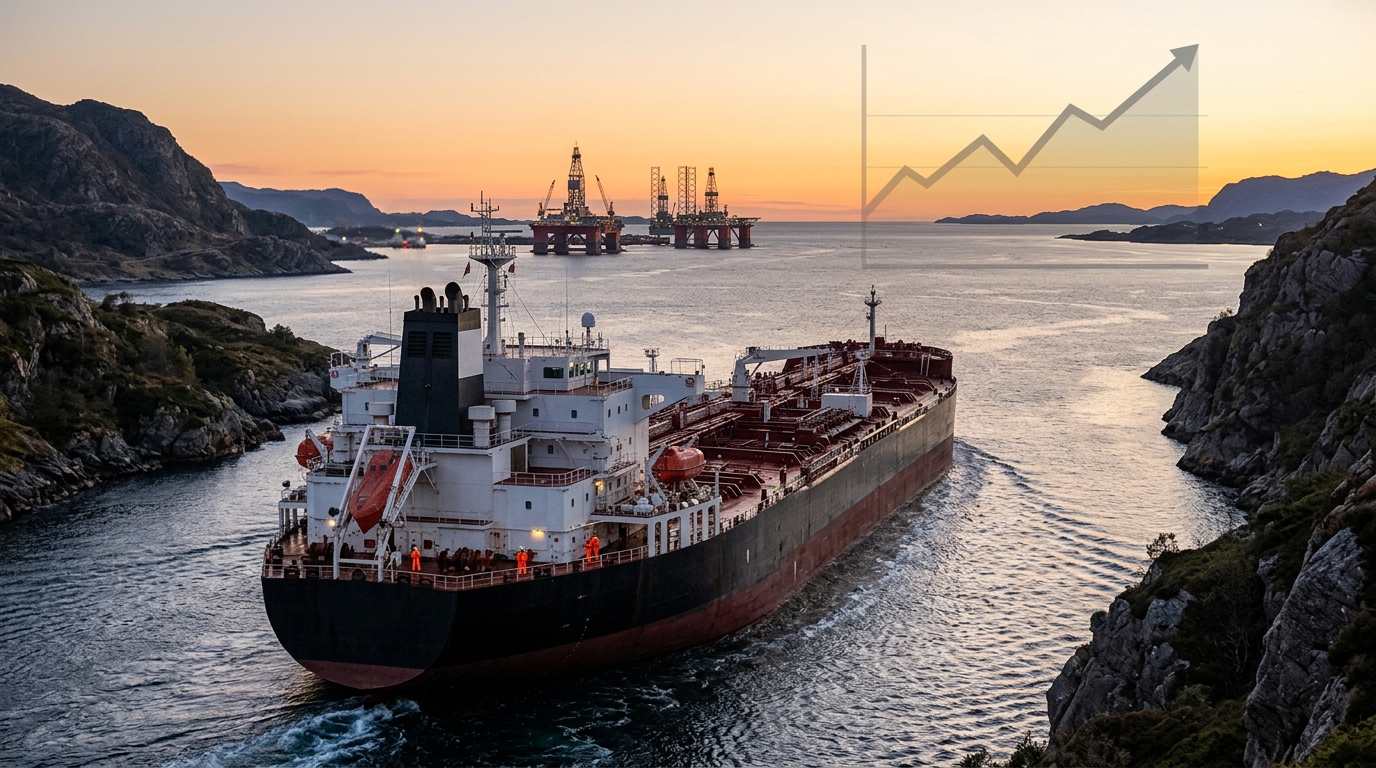
Image is an AI-generated illustration, not a real photograph.
Six months into a period of heightened US-Iran tensions, the conflict, which began in late February 2026, persists without a clear resolution, having shifted the US focus from direct military action to economic pressure. Iran asserts control over the critical Strait of Hormuz, a vital global shipping lane, which has seen significant disruption and closures due to Iranian warnings, sea mines, and attacks on merchant vessels since the conflict's outset. While US Central Command reports clearing sea mines and declares the strait open, commercial traffic remains severely hampered, with thousands of mariners and hundreds of ships reportedly stranded in the region.
Regarding missile capabilities, Iran has maintained "significant ballistic missile capabilities," with US intelligence assessments in May 2026 indicating that approximately 90% of its underground missile facilities were at least partially operational. This contrasts with earlier US claims of having largely "decimated" Iran's missile arsenal. During the conflict, Iran launched a substantial number of ballistic missiles and drones at Israel, with some impacting targets. In defense, the United States reportedly expended a significant portion of its advanced missile defense interceptors protecting Israel from these attacks.
In the ongoing economic conflict, the United States has escalated sanctions and maintained a naval blockade on Iranian ports, under initiatives dubbed "Operation Economic Outcast" or "Operation Economic Fury," aiming to cut off Iran's financial lifelines. Iran has denounced these measures as "economic terrorism" while its economy faces significant strain, including a projected contraction and high inflation. Amidst this deadlock, international mediators, including Oman, Pakistan, and Qatar, are actively engaged in diplomatic efforts to facilitate the reopening of the Strait of Hormuz, for which Iran is reportedly drafting conditions, including the lifting of sanctions and an end to the regional conflict.
What each outlet emphasizes
- AJ: Iran's claims of Hormuz control, missile capabilities, and the effectiveness of Trump's economic war
- BBC: assessing what Trump has accomplished six months into the Iran situation
Read it at the source
pbs.org ↗ rferl.org ↗ scmp.com ↗ wikipedia.org ↗ pakistantoday.com.pk ↗