Iran war leads to US munitions shortfalls and projected inflation hike
The ongoing conflict with Iran has led to US munitions shortfalls, with projections indicating a significant rise in US inflation and substantial military losses.
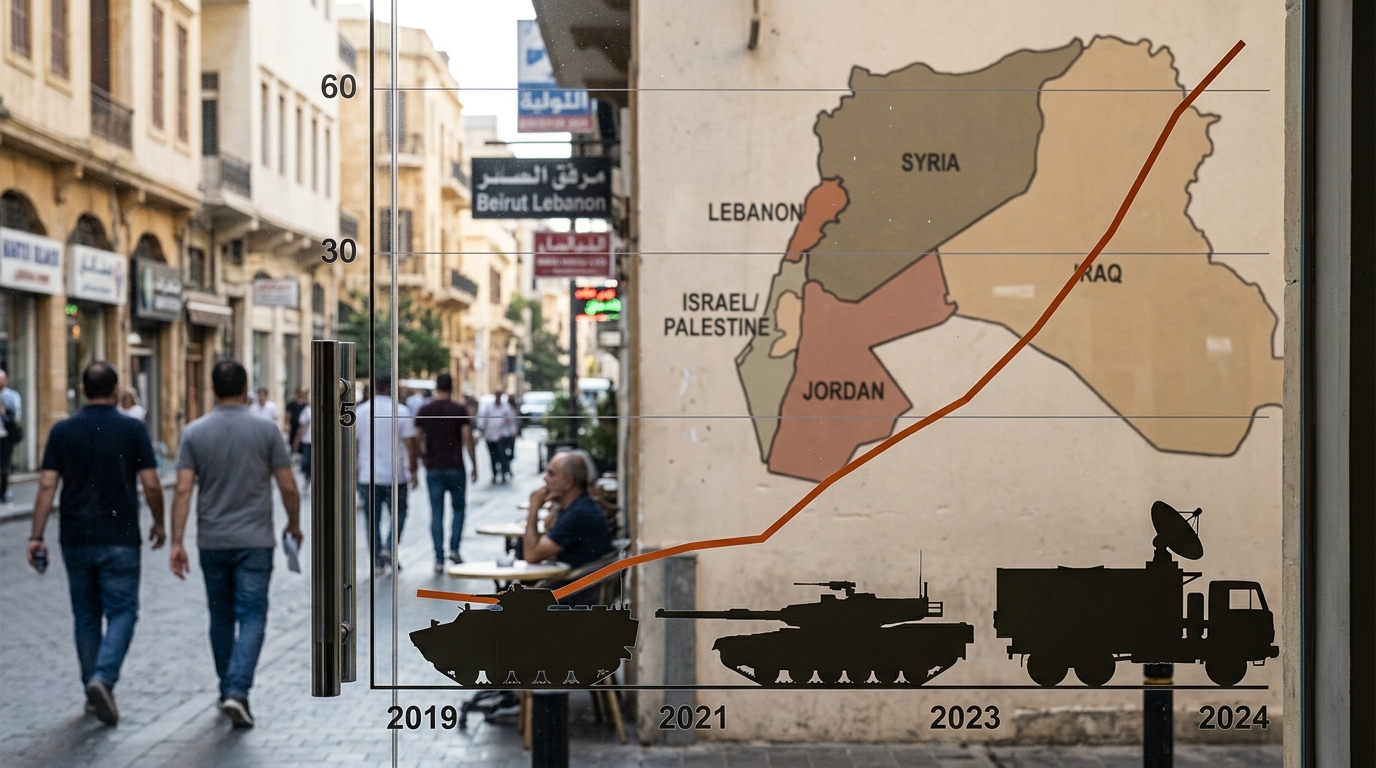
Image is an AI-generated illustration, not a real photograph.
Reports from September 2026 indicate an ongoing conflict between the United States and Iran, which commenced on February 28, 2026, following actions initiated by the U.S. and Israel. This conflict, codenamed "Operation Epic Fury" by the United States, began with widespread strikes targeting Iranian military infrastructure and leadership, including the reported killing of Supreme Leader Ali Khamenei. Initial retaliatory measures by Iran included missile and drone strikes across the Middle East, causing significant damage and displacing millions. The war has severely disrupted traffic through the Strait of Hormuz, a critical oil chokepoint, leading to fuel shortages in parts of Asia and broader global economic repercussions.
The Pentagon's inspector general has acknowledged significant U.S. munitions shortfalls and supply-chain bottlenecks directly resulting from the war with Iran. As of June 30, 2026, the conflict had incurred at least $33.4 billion in costs for the U.S., with $22.3 billion attributed to expended munitions and $3.7 billion to equipment losses. By August 1, 2026, the estimated cost had risen to nearly $40 billion. The conflict has also led to substantial military losses for the U.S., including dozens of drones, multiple combat aircraft such as F-15s and KC-135 tankers, and damage to various bases and diplomatic outposts across the Middle East.
Economically, the war is projected to significantly increase U.S. inflation, particularly in the first quarter of 2027, primarily due to escalating energy costs and disruptions in crucial shipping lanes like the Strait of Hormuz and the Red Sea. The Congressional Budget Office (CBO) estimates that the conflict will add approximately 0.5 percentage points to inflation during that period, building on an estimated 2.3 percentage points added in the second quarter of 2026. Replenishing depleted U.S. munitions stockpiles is estimated to take at least five years, even with increased production.
What each outlet emphasizes
- BBC: confirms that the Iran war has led to US munitions shortfalls, citing the Pentagon inspector.
- AJ: reports on the Congressional Budget Office's projection of a 0.5 percent US inflation increase due to the Iran war and details US losses in aircraft and buildings from Iran attacks.
Read it at the source
britannica.com ↗ cfr.org ↗ legion.org ↗ palestinechronicle.com ↗ ft.com ↗