Netanyahu defiant despite falling short of clear victory; no clear winner in pivotal general election
Israel faces political stagnation as exit polls suggest no clear winner, leaving the future leadership uncertain.
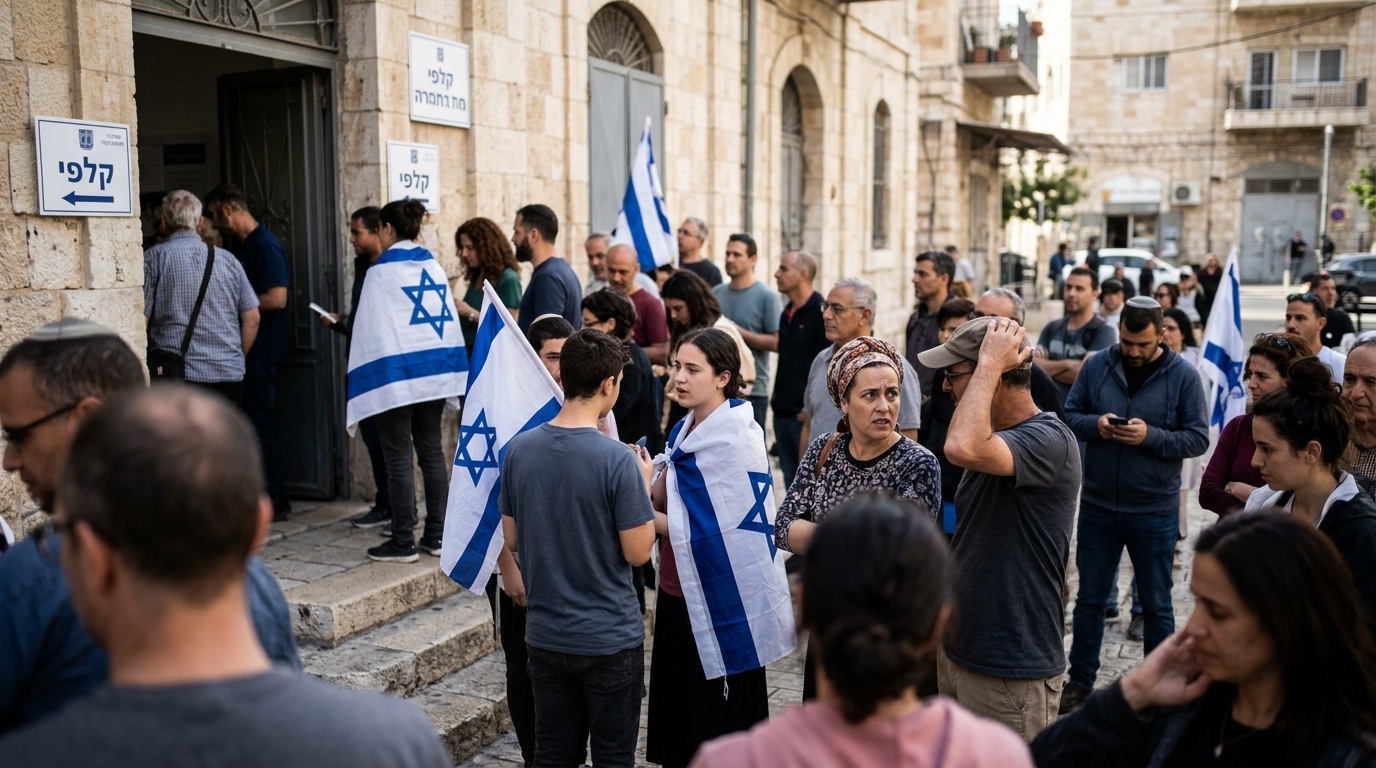
Image is an AI-generated illustration, not a real photograph.
Preliminary exit polls from Israel's general election, held on October 27, 2026, indicate no clear winner, leaving the nation's political future uncertain. Neither Prime Minister Benjamin Netanyahu's right-wing bloc nor the opposing bloc led by former military chief Gadi Eisenkot secured the 61 seats required for a parliamentary majority in the 120-seat Knesset. Netanyahu's coalition was projected to win around 50-51 seats, while the opposition garnered approximately 51-53 seats, with Arab parties holding the remaining 17-19 seats, making them potential kingmakers in coalition negotiations.
Despite the inconclusive results, Prime Minister Netanyahu maintained a defiant stance, calling for the formation of a strong, right-wing national government and dismissing the possibility of partnering with Arab-led parties. This election, the first since the Hamas attacks of October 7, 2023, was widely considered a referendum on Netanyahu's prolonged leadership and his wartime governance, which has left Israelis deeply divided.
The lack of a decisive outcome is expected to usher in weeks of complex coalition negotiations, or potentially even another election, extending a period of political stagnation for Israel. The significant showing by Arab parties could be crucial, though past reluctance from both major blocs to collaborate with them complicates the path to forming a stable government.
What each outlet emphasizes
- CNN: Netanyahu's defiance and the lack of a clear majority, highlighting Arab voter turnout.
- BBC: The inconclusive nature of the vote and the potential role of Arab parties.
- AJ: Netanyahu's call for a right-wing government amidst political stagnation and record Arab party seats.
- The Guardian: Coalition talks looming as Netanyahu and Eisenkot blocs are tied.
Read it at the source
pbs.org ↗ 1news.co.nz ↗ jwire.com.au ↗ postregister.com ↗ clickondetroit.com ↗