UK Prime Minister Keir Starmer announces resignation after two years in office
Sir Keir Starmer has stepped down as Labour leader and Prime Minister, delivering an emotional address outside No. 10 Downing Street.
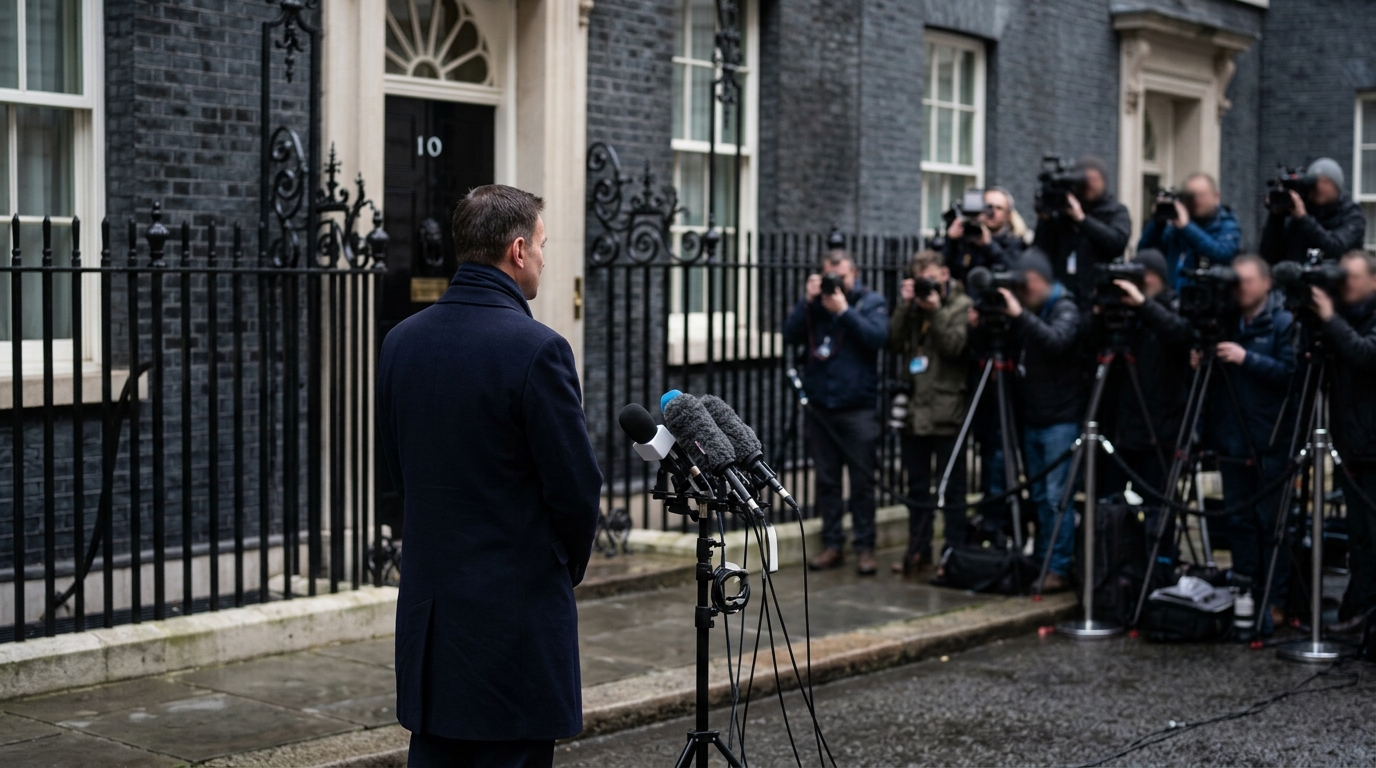
Image is an AI-generated illustration, not a real photograph.
UK Prime Minister Keir Starmer announced his resignation on Monday, June 22, 2026, triggering a leadership contest within the Labour Party. Starmer, who led the party to a landslide general election victory just two years prior in July 2024, faced growing pressure amid declining approval ratings and significant losses in recent local elections.
His departure marks a significant moment in British politics, making him the country's seventh prime minister in a decade. Starmer stated he would remain as a caretaker Prime Minister until his successor is chosen, with nominations for the leadership set to open in early July and a new leader expected before the parliamentary summer recess.
Andy Burnham, the former Mayor of Greater Manchester, has emerged as a prominent candidate to succeed Starmer, with some reports suggesting he might even run unopposed after securing a recent by-election victory.
What each outlet emphasizes
- CNN: focus on Starmer's failure to deliver change and Andy Burnham's potential rise
- BBC: extensive coverage of Starmer's resignation speech, reasons, and Andy Burnham's immediate actions and profile
- AJ: highlights the 'downfall' and lack of direction in Starmer's leadership
- The Guardian: details the statement, the timeline of his premiership, and the broader implications for British politics
- AP: reports on the resignation and its immediate impact on British politics
Read it at the source
time.com ↗ washingtonpost.com ↗ opb.org ↗ forbes.com ↗ wsls.com ↗