Meta’s $18bn settlement may hasten reckoning for social media on child safety
Meta's massive $18 billion settlement is expected to usher in significant changes for social media platforms regarding child safety, though critics argue it may not go far enough.
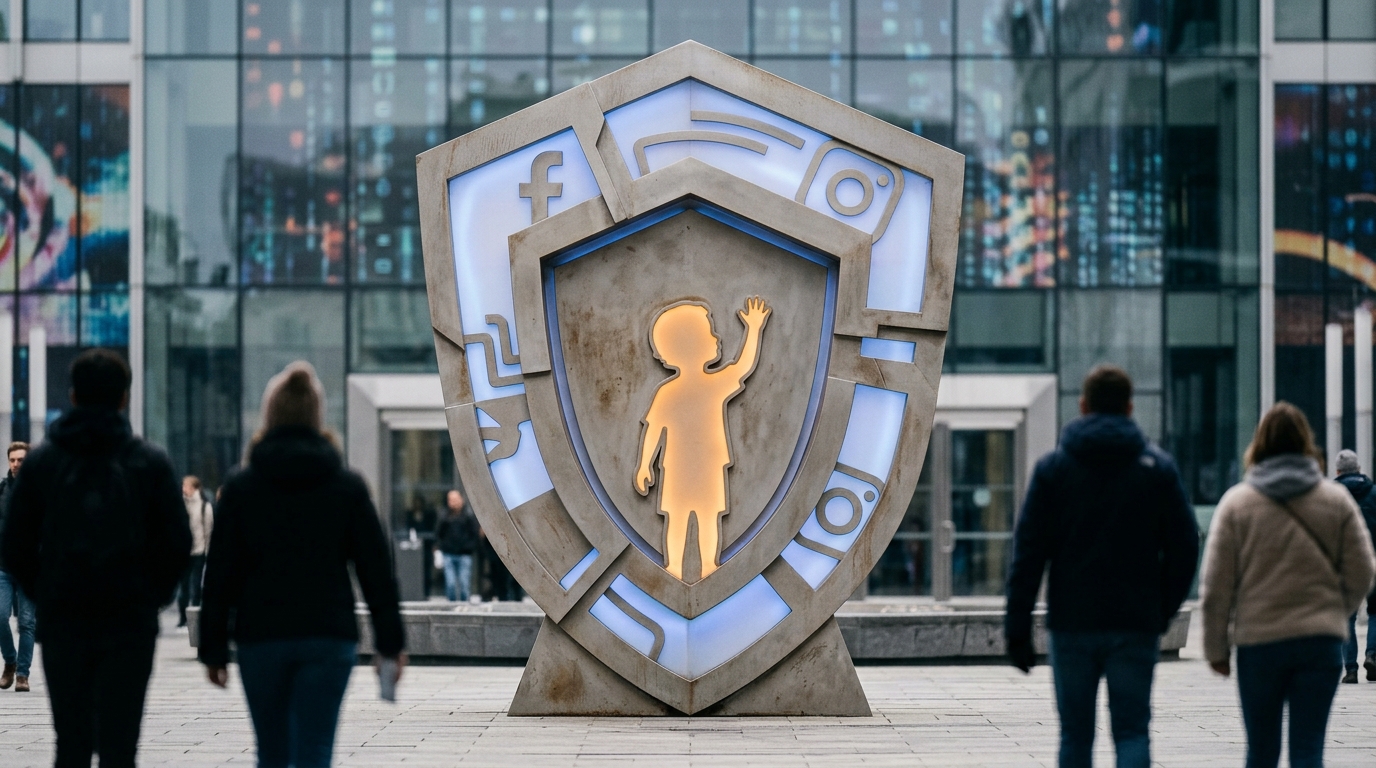
Image is an AI-generated illustration, not a real photograph.
Meta Platforms has reached a landmark agreement with a coalition of 47 U.S. states, the District of Columbia, and several territories, agreeing to a settlement valued at up to $18 billion to resolve allegations that its Facebook and Instagram platforms contribute to teen social media addiction and mental health issues. The historic deal, announced on August 26, 2026, concludes a multi-year legal challenge asserting that Meta intentionally designed its platforms with addictive features and misled the public about their safety for young users. While some reports indicate a $17.1 billion figure, Meta has stated the settlement could reach $18 billion, with a portion contingent upon rival platforms like TikTok and YouTube adopting similar safety measures.
Under the terms of the settlement, which awaits court approval, Meta has committed to implementing significant changes aimed at enhancing child safety and curbing addictive behaviors on its platforms. These include setting a two-hour daily time limit for users under 18 across Facebook and Instagram, blocking access from midnight to 6 a.m. for teens without parental consent, and disabling push notifications during school hours. Additionally, the company will introduce stronger parental controls, institute robust age-verification measures, and limit social comparison features such as "like" counts and beauty filters.
The settlement mandates an independent auditor to regularly assess the effectiveness and implementation of these new safety features. Although Meta denies wrongdoing, it expressed a commitment to ensuring a safe and productive online experience for teens. This agreement is considered one of the largest state consumer protection settlements in U.S. history, outside of the "Big Tobacco" cases of the 1990s, and is expected to fund youth online safety initiatives over the next decade.
What each outlet emphasizes
- BBC: suggests the settlement may hasten a reckoning for social media on child safety and discusses the potential for doomscrolling to be numbered.
- AJ: explores how social platforms will change for child users and highlights parents questioning the settlement's effectiveness.
- AP: details the new rules for kids, including time limits and a midnight cutoff, while noting critics say it's not enough.
Read it at the source
pbs.org ↗ cbc.ca ↗ washingtonpost.com ↗ mtsu.edu ↗ timesrepublican.com ↗