Conflicting Signals on Iran Ceasefire Amid Escalating US Tensions
Despite reports of mediators seeing progress, the US and Iran send conflicting messages on ceasefire talks as tensions escalate and the prospect of renewed military action looms.
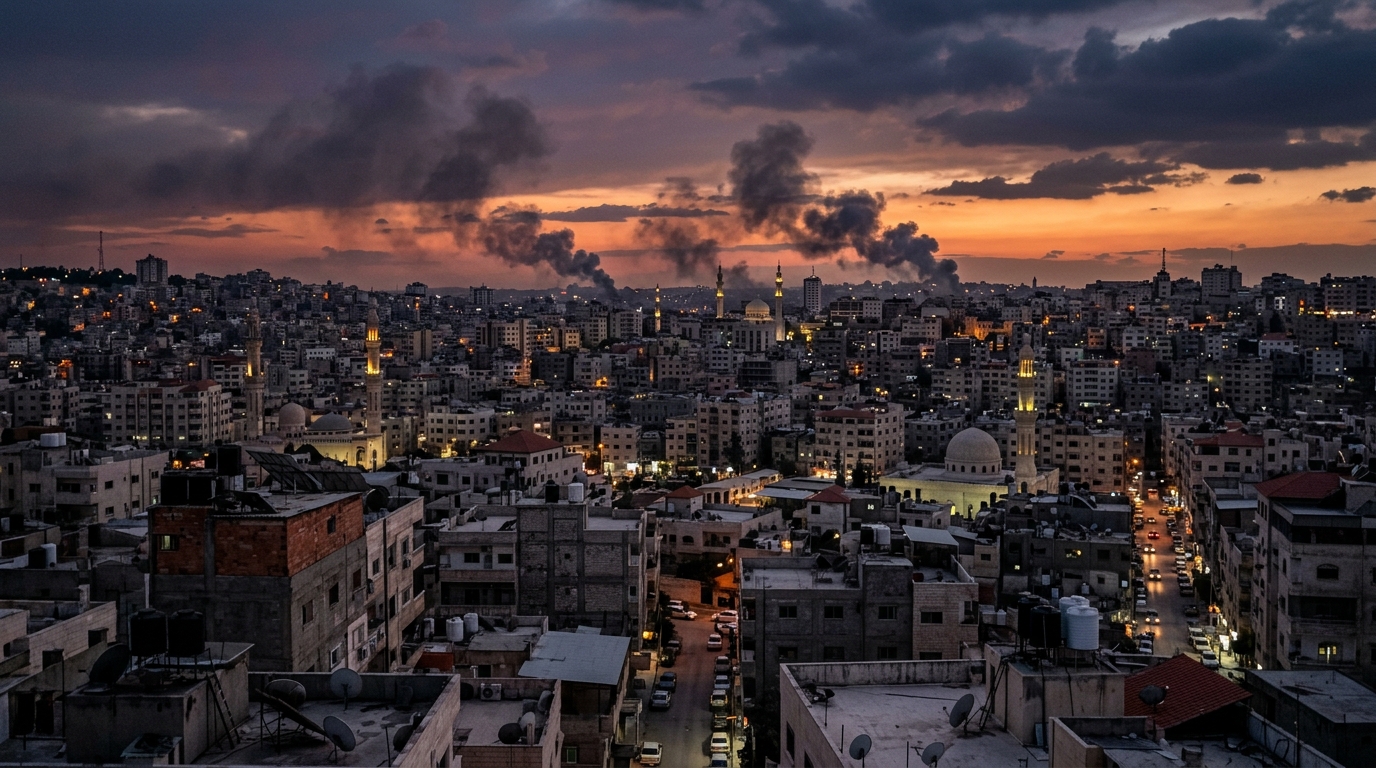
Image is an AI-generated illustration, not a real photograph.
Amid escalating tensions in the Middle East, the United States and Iran are sending mixed signals regarding the status of ceasefire negotiations as of late July 2026. While US President Donald Trump has indicated that "very deep talks" with Iran are ongoing and expressed optimism for a diplomatic resolution, he simultaneously warned of "very strong military action" if negotiations fail. In contrast, Iran's Foreign Ministry spokesman, Esmaeil Baqaei, has consistently denied any direct talks with the US, asserting that discussions are exclusively with Oman concerning arrangements for the Strait of Hormuz. Tehran acknowledges exchanging messages with Washington through intermediaries but rejects claims of initiating requests for negotiations.
The current diplomatic efforts follow the collapse of an interim ceasefire deal in early July, which was part of a memorandum of understanding signed in June. This prior agreement aimed to pause hostilities and address issues such as freedom of navigation and Iran's nuclear program. Mediators, including Qatar and Pakistan, are reportedly making significant progress in attempts to restore a new interim ceasefire agreement, with both the US and Iran having observed a pause in strikes in the days leading up to July 28.
The regional conflicts have intensified significantly in 2026, beginning with US-Israeli airstrikes on Iran in February and subsequent Iranian retaliation. The critical Strait of Hormuz has been a major flashpoint, experiencing disruptions to shipping due to Iranian actions. These escalating hostilities have heightened concerns about global energy supplies, with the International Energy Agency (IEA) warning of increased risks to oil markets, despite some cushioning factors. Oil prices surpassed $100 a barrel in mid-July, reflecting the growing instability in the region.
What each outlet emphasizes
- CNN: reports conflicting messages on ceasefire talks and highlights tensions over Iran and Lebanon, noting the collision of Iran and Ukraine wars on the world's biggest lake.
- BBC: questions if the US is running low on weapons amidst its paused war with Iran, focusing on military capacity.
- AJ: details Trump's strong rhetoric on Iran's nuclear ambitions and potential military strikes, while also discussing the resilience of Iran's economy and historical US-Iran confrontation strategies.
- The Guardian: emphasizes the economic impact of the Iran war on Americans and Trump's warning of strong military action if diplomacy fails.
- AP: reports that mediators are seeing progress in efforts to halt the Iran war, despite regional drone attacks.
Read it at the source
cbsnews.com ↗ thehindu.com ↗ thehindu.com ↗ arabnews.com ↗ iranintl.com ↗