US-Iran Tensions Escalate, Fueling Global Protests and Oil Market Fears
The ongoing US-Iran conflict is driving up energy costs globally, sparking protests, and impacting US foreign policy decisions including arms sales to Israel.
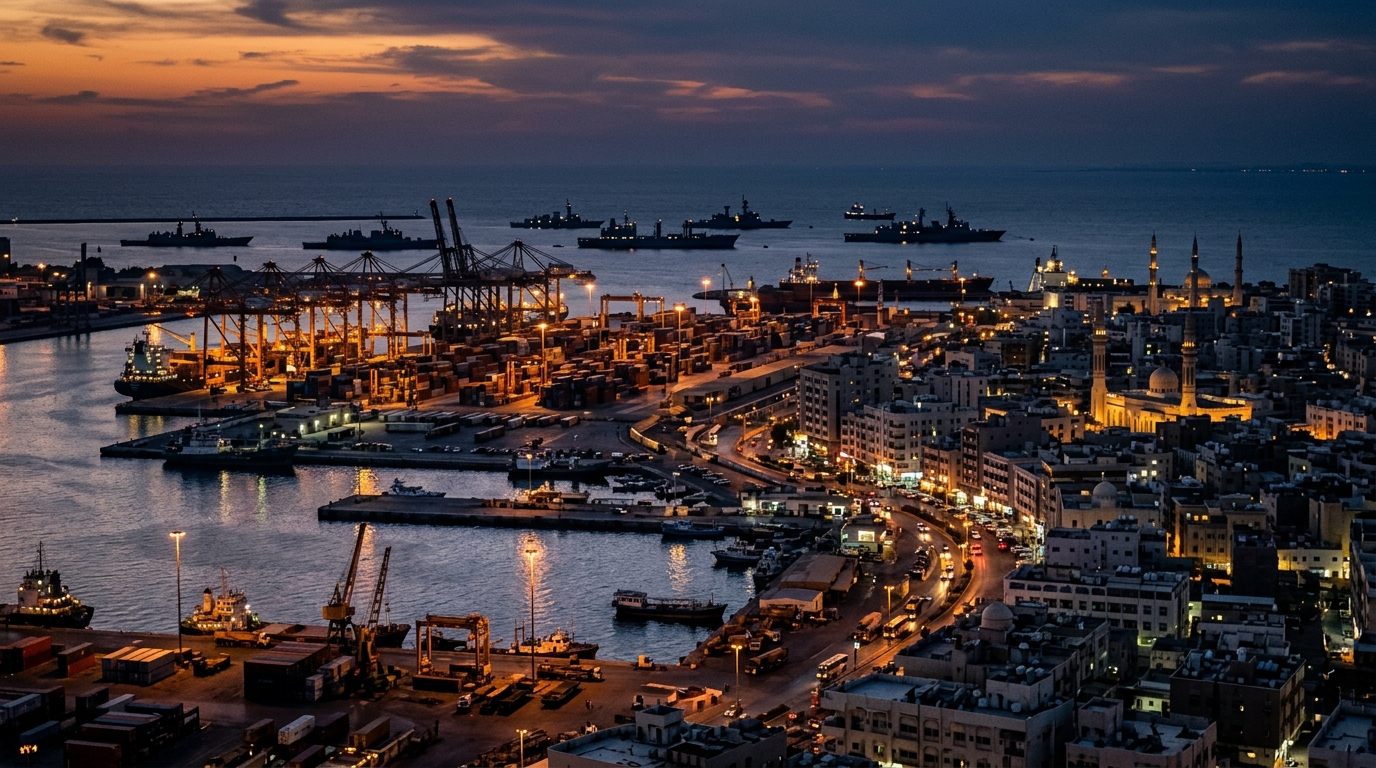
Image is an AI-generated illustration, not a real photograph.
Middle East tensions have significantly escalated amid the ongoing US-Iran conflict, which began with joint US-Israeli strikes in February 2026 and has seen Iran retaliate against military and oil infrastructure across the region. This protracted conflict is straining global energy supplies and US military resources. US military deployments are now extended into 2027, reflecting the persistent nature of the hostilities.
A recent report from the US Department of War's inspector general, released September 15, 2026, confirms "strategic inventory shortfalls" in US munitions due to extensive use in the Iran war. The report indicates that $22.3 billion was spent on munitions alone through June, contributing to an estimated war cost of $33.4 billion, and has revealed bottlenecks in the industrial base for resupply. Separately, a Congressional Budget Office report on September 16, 2026, estimated the war's cost at a minimum of $38 billion and projected that rebuilding depleted missile stockpiles could take five years.
Concurrently, a critical Saudi East-West oil pipeline has been shut down following drone attacks. Saudi Arabia attributed these strikes to Iran-backed militias in Iraq. The pipeline, a vital route bypassing the Strait of Hormuz, is expected to remain out of service for several weeks, further impacting global oil supplies and contributing to rising fuel prices. Yemen's Iran-backed Houthi rebels have also intensified their threats and captured strategic islands in the Red Sea, expanding their capacity to disrupt international shipping lanes.
What each outlet emphasizes
- CNN: focuses on skyrocketing fuel prices, protests, House vote to end Iran war, and Saudi oil pipeline closure
- BBC: emphasizes US munitions shortfalls due to Iran war, Saudi oil pipeline damage, and a tanker attack
- AJ: highlights the US House vote to end Iran war, Trump administration's arms sale to Israel, and China's role as potential peacemaker
- The Guardian: reports on US arms delivery to Israel, US House vote on Iran war, and Houthis seizing Red Sea islands amidst oil crunch warnings
Read it at the source
britannica.com ↗ wikipedia.org ↗ cfr.org ↗ csis.org ↗ youtube.com ↗