Five tankers hit in Hormuz amid regional tensions, impacting global oil flow
Reports indicate five tankers were hit in the Strait of Hormuz, alongside drone interceptions near Riyadh, signaling escalating regional tensions that are changing the global flow of oil.
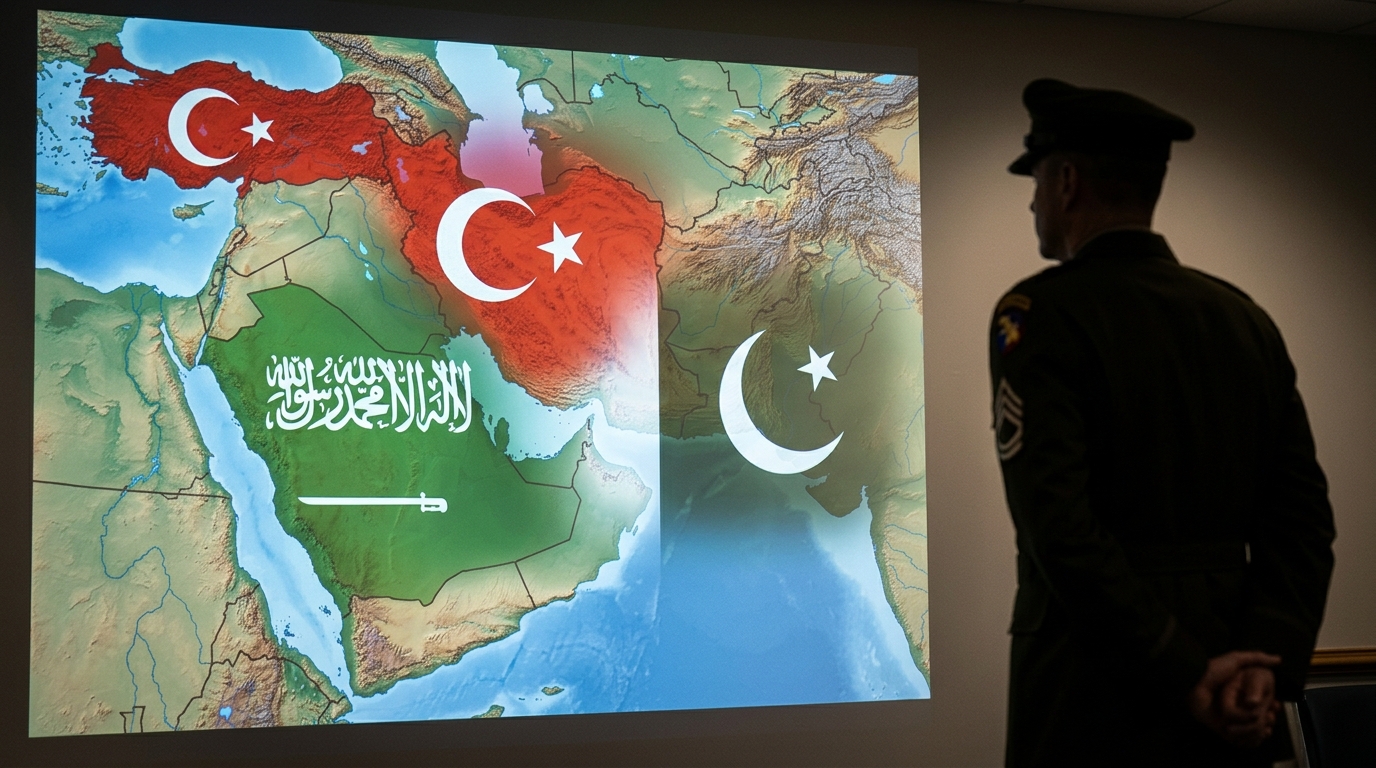
Image is an AI-generated illustration, not a real photograph.
Escalating tensions in the Middle East are significantly impacting global oil flows, with reports of recent attacks on tankers in the Strait of Hormuz and drone interceptions over Saudi Arabia. On October 17, Iran's Revolutionary Guard Corps claimed two oil tankers caught fire after hitting naval mines in the Strait, asserting they were attempting to pass through unauthorized routes with tracking systems off. This follows a period of heightened activity, as the UK Maritime Trade Operations reported at least ten vessels attacked in or near the Strait of Hormuz since October 10, marking a weekly high since the broader conflict began in February. Earlier in the month, a container ship and a dry bulk carrier reportedly sank after being struck by projectiles near the strait.
Concurrently, Saudi Arabia's coalition in Yemen announced the interception and destruction of four drones over Riyadh and other regions on October 17. These attacks, attributed to Iran-backed Houthi rebels, reflect an ongoing escalation in the conflict, with Houthis repeatedly targeting Saudi oil installations and airports. The Saudi-led coalition stated that fighting in Yemen has intensified since July, leading to a spillover into Saudi territory.
The increased instability in these critical areas is directly affecting global energy markets. Oil prices surged on October 17, with Brent crude futures reaching $109.86 a barrel, their highest closing level since May. The International Energy Agency's October 2026 report warns that these escalating security risks and rising tanker freight rates threaten to prolong supply tightness into 2027, despite some recovery in Middle Eastern crude exports in September. In response to the growing concerns, the International Energy Agency approved the release of over 20 million barrels of fuel, and the US Department of Energy is seeking bids to exchange crude oil from its Strategic Petroleum Reserve.
What each outlet emphasizes
- CNN: How the war with Iran has changed the flow of oil – a visual guide
- AJ: Five tankers reported hit in Hormuz, drones intercepted over Riyadh
- AJ: Saudi-led forces intercept drone near Riyadh
- AJ: Yemen accuses Iran of prolonging conflict, threatening regional security
- The Guardian: UAE agrees with Saudi Arabia to re-enter Yemen conflict amid Houthi gains
Read it at the source
jpost.com ↗ gcaptain.com ↗ cbsnews.com ↗ independent.co.uk ↗ aa.com.tr ↗