Nepal Floods Devastate Villages, Spark Desperate Search for Missing; US Aid Criticized
Deadly floods have swept away villages in Nepal, leading to a desperate search for victims and criticism over initial US aid contributions.
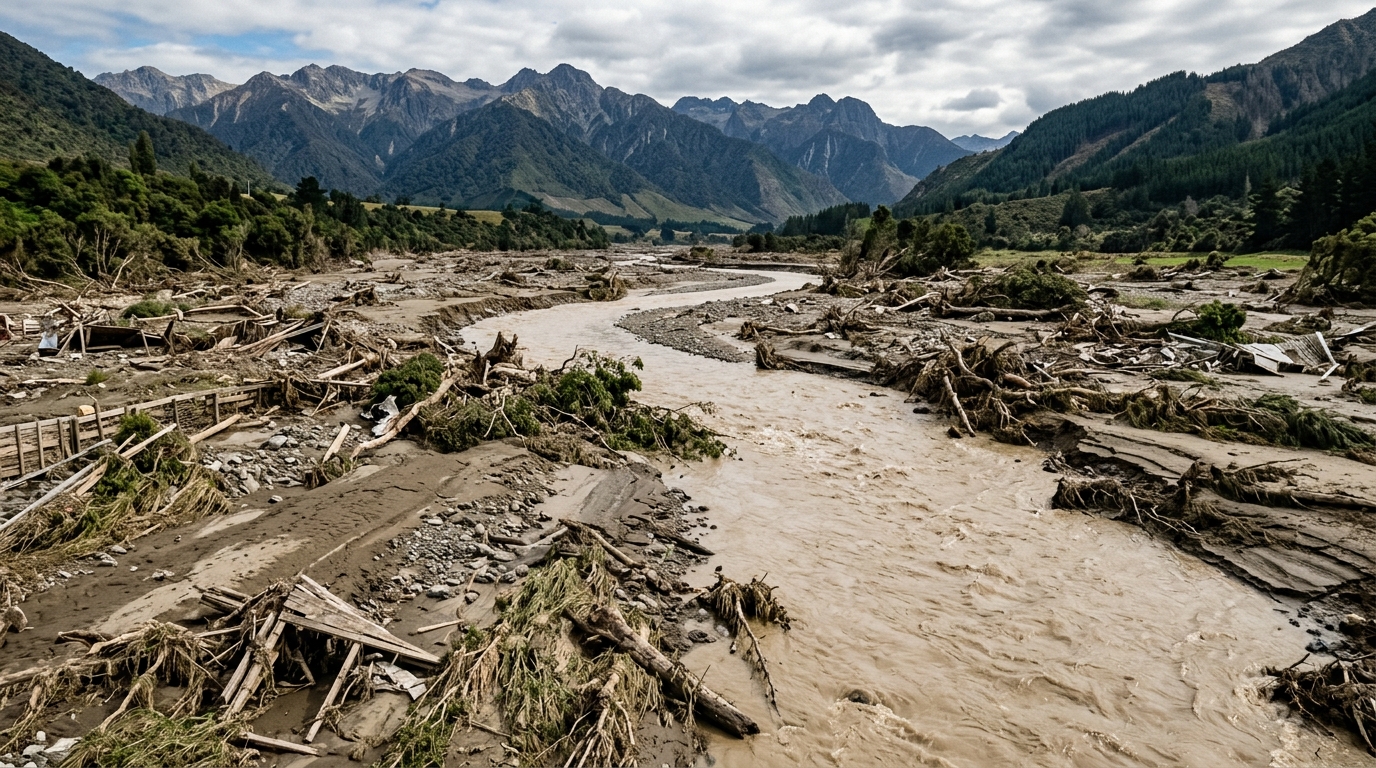
Image is an AI-generated illustration, not a real photograph.
Catastrophic flash floods, triggered by a glacier collapse on August 26, 2026, have ravaged villages along the Nepal-Tibet border, resulting in a devastating loss of life and widespread destruction. The disaster, caused by a mass of ice and rock falling from Langtang Lirung peak, sent a powerful surge of water down the Trishuli River, inundating communities in several Nepali districts and parts of China. The death toll in Nepal has surpassed 1,000, with an additional 16 fatalities reported in Tibet, and over 4,000 people remain missing, including dozens of foreign nationals.
Search and rescue operations are desperately underway, often hindered by challenging terrain and continued adverse weather conditions, as teams work to reach cut-off villages and locate survivors. Beyond the immediate casualties, the floods have displaced at least 65,000 people, including 22,100 children, and destroyed essential infrastructure such as homes, roads, bridges, and hydropower facilities, leaving families without access to basic services and facing health risks from contaminated water.
The United States' initial aid contribution of $500,000 for the relief effort drew significant criticism from aid experts and on social media, who deemed it "embarrassing" and "pitiful." Although the aid has since been increased to $3.6 million, critics argue that the overall US response capacity has diminished due to the disbandment of USAID in July 2025. Nepal's Foreign Minister, Shisir Khanal, has also shifted the country's diplomatic stance from seeking "aid" to demanding "justice and compensation," holding major greenhouse gas emitters, including the US, China, and India, accountable for climate-related devastation.
What each outlet emphasizes
- CNN: highlights the arduous search for victims and the personal stories of loss, including a girl who lost 17 family members
- BBC: describes villages swept away by mud and silt and the challenges faced by aid workers
- AJ: focuses on the desperate personal efforts, like a father walking for days to search for his missing son
- The Guardian: reports on the filling morgues, the use of DNA for identification, and the criticism of initial US aid contributions
Read it at the source
theguardian.com ↗ savethechildren.net ↗ britannica.com ↗ theguardian.com ↗ indianexpress.com ↗