Canadian wildfire smoke blankets US cities, impacting air quality and daily life
Wildfires in Canada are once again sending thick smoke across vast swathes of the United States, causing dangerous air quality and disrupting daily activities.
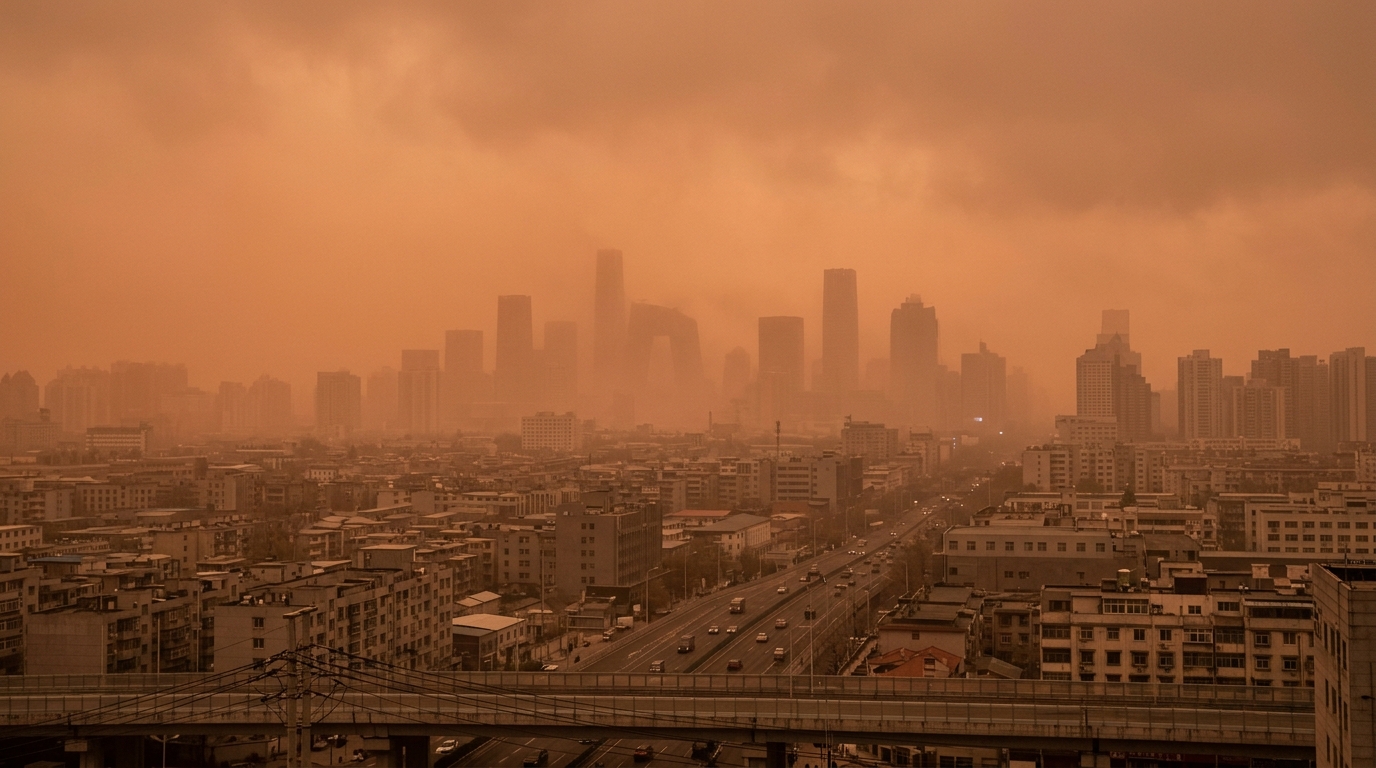
Image is an AI-generated illustration, not a real photograph.
**Canadian Wildfire Smoke Engulfs US, Prompting Health Warnings**
Smoke from numerous Canadian wildfires is currently spreading across large portions of the United States, significantly degrading air quality in the Midwest, Mid-Atlantic, and Northeast regions. This ongoing phenomenon, driven by prevailing winds carrying smoke plumes southeastward, has led to hazy skies and poor visibility in numerous urban centers throughout July 2026.
Many cities, including Detroit, Chicago, Minneapolis, and New York, have experienced hazardous air quality levels, at times ranking among the most polluted major cities globally. Air quality alerts have been issued across more than 20 states, with millions of Americans exposed to unhealthy conditions. The smoke is primarily composed of fine particulate matter (PM2.5), which can travel thousands of miles and linger in the atmosphere.
Health officials are advising residents to limit outdoor activity due to the respiratory irritants present in wildfire smoke. Exposure to fine particles can cause coughing, wheezing, shortness of breath, and eye irritation. Individuals with pre-existing conditions like asthma or heart disease, as well as children, older adults, and pregnant people, are particularly vulnerable to serious health effects.
What each outlet emphasizes
- BBC: explains the impact of Canadian and US wildfires, specifically mentioning Ontario fires and their effect on US cities
- The Guardian: highlights the shrouding of US Midwest, Mid-Atlantic, and Northeast by Canadian wildfire smoke
- AP: notes the uncertainty regarding wildfire smoke's potential impact on the World Cup final
Read it at the source
washingtonpost.com ↗ cbsnews.com ↗ theguardian.com ↗ gizmodo.com ↗ wsls.com ↗