Scientists issue 'starkest warning yet' on profound changes sweeping planet's oceans
Scientists have delivered their most severe warning to date regarding significant and widespread changes occurring across the world's oceans.
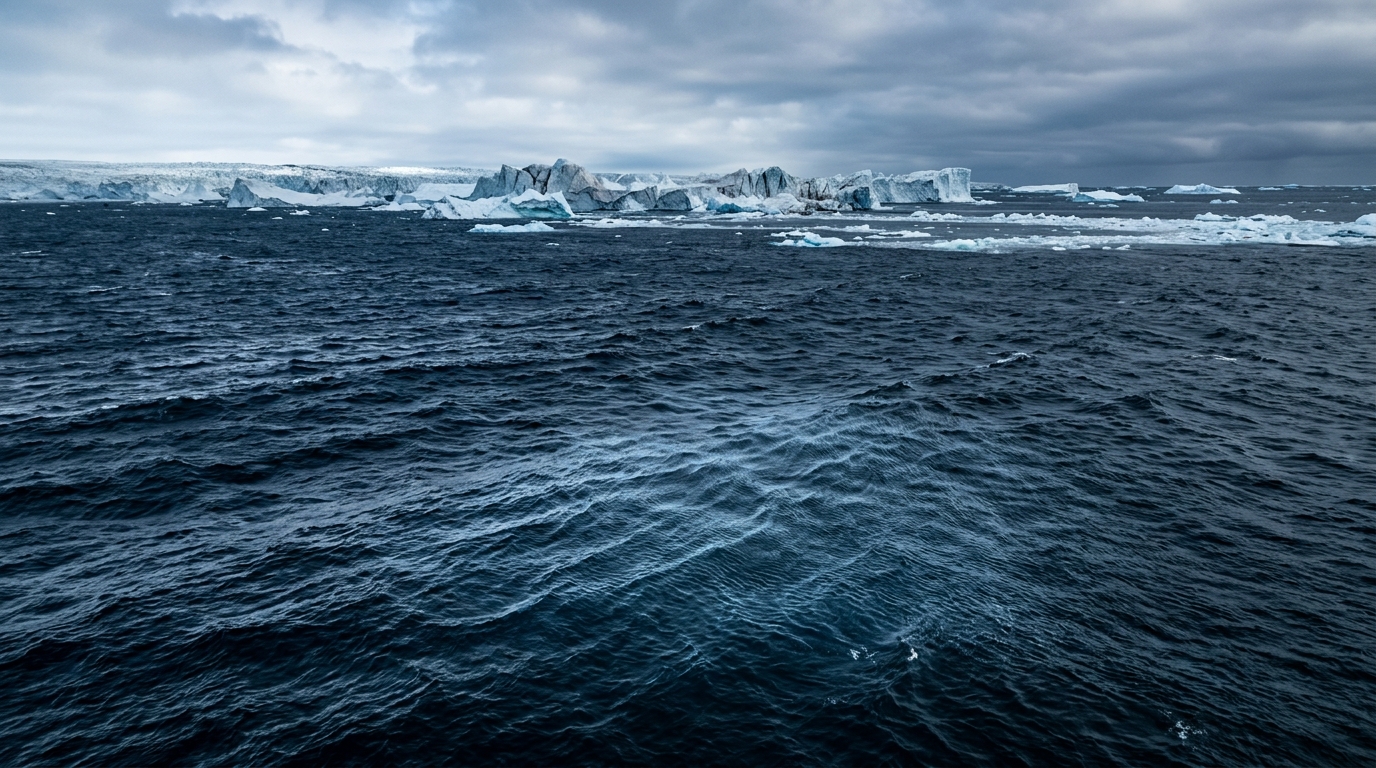
Image is an AI-generated illustration, not a real photograph.
Scientists have issued their "starkest warning yet" regarding the escalating profound changes occurring across the planet's oceans, according to a landmark report compiled by over 120 scientists and drawing on a decade of data. This comprehensive assessment highlights critical concerns, including significant rises in sea temperature and widespread marine biodiversity loss. Scientists are increasingly connecting these issues to broader planetary threats such as warming, pollution, biodiversity reduction, and ocean acidification, with some advocating for the formal inclusion of dissolved oxygen levels in the Planetary Boundaries framework.
A major element of this alarming trend is the record-breaking loss of Antarctic winter sea ice. The past four years have seen the four lowest winter sea ice maximums on record for the continent, with 2026 marking the third-lowest level, falling a million square kilometers short of the long-term average. This ongoing decline, particularly evident since 2016 and reaching unprecedented lows in 2023, is prompting scientists to declare it a "now problem," indicating that global heating is fundamentally altering the sea ice's behavior and potentially pushing the region past a critical climate tipping point. Research suggests a "triple-whammy of climate chaos," where shifting winds and unusually warm, salty deep ocean water are creating a feedback loop preventing ice recovery and threatening to destabilize global ocean current systems.
Beyond the poles, observations also reveal widespread ocean warming, acidification, and deoxygenation, impacting marine ecosystems globally. The Arctic has experienced rapid warming and a significant reduction in sea ice, exposing coastlines to increased erosion. Moreover, combined ice loss from Greenland and Antarctica has exceeded 12 trillion tons over the last five decades, primarily due to accelerated glacier outflow driven by ocean temperatures, contributing to a measurable rise in global sea levels.
What each outlet emphasizes
- CNN: reports on scientists delivering the 'starkest warning yet' about profound ocean changes
- The Guardian: highlights Antarctic winter sea ice falling to a record low and scientists warning of a 'now problem'
Read it at the source
carbon-pulse.com ↗ sciencedaily.com ↗ theguardian.com ↗ facebook.com ↗ eurekalert.org ↗