US signs landmark nuclear deal with Saudi Arabia, sparking debate over Mideast stability
The US and Saudi Arabia have announced a "peaceful" nuclear cooperation agreement, granting US firms access to the Saudi energy sector but raising significant concerns.
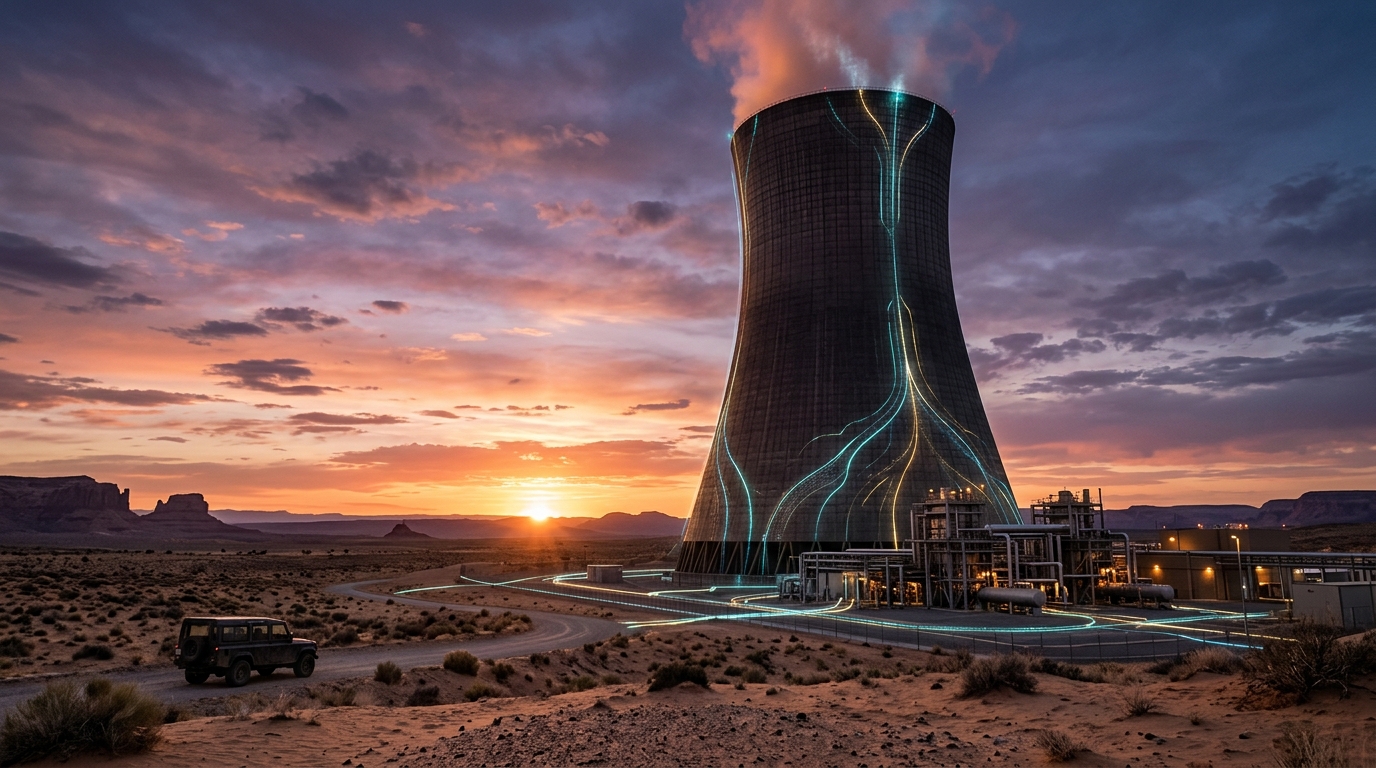
Image is an AI-generated illustration, not a real photograph.
The United States and Saudi Arabia have finalized a "peaceful" nuclear cooperation agreement, often referred to as a "123 agreement," which aims to establish a decades-long partnership in civilian nuclear energy. Signed on July 22, 2026, by U.S. Secretary of Energy Chris Wright and Saudi Minister of Energy Prince Abdulaziz bin Salman, the deal grants American companies access to Saudi Arabia's burgeoning nuclear energy sector. The U.S. Department of Energy asserts that the agreement will bolster American nuclear technology exports, create domestic jobs, enhance U.S. national security, and reinforce global nonproliferation standards.
However, the agreement has sparked considerable debate and alarm among nonproliferation experts and some lawmakers, largely due to concerns it may permit Saudi Arabia to enrich uranium on its own soil. This provision departs from a "gold standard" approach seen in other U.S. nuclear cooperation deals, such as with the United Arab Emirates, which explicitly prohibited enrichment. Critics worry that allowing Saudi Arabia the capability to enrich uranium, even under U.S. oversight, could pave a path toward developing nuclear weapons and destabilize the Middle East, particularly given Saudi Crown Prince Mohammed bin Salman's past statements about pursuing nuclear arms if Iran acquires them.
Further complicating matters, some reports suggest the deal might include waivers that exempt Saudi Arabia from certain aggressive international inspections, opting instead for monitoring by American teams. This has intensified fears about weakening the global nonproliferation regime and potentially igniting a regional nuclear arms race, especially amidst ongoing tensions with Iran. The agreement now faces a 90-day review period in the U.S. Congress, where it is anticipated to encounter significant opposition.
What each outlet emphasizes
- BBC: reports on the US signing a landmark nuclear deal with Saudi Arabia, emphasizing 'peaceful' cooperation and US firms' access.
- AJ: announces the US and Saudi Arabia nuclear cooperation deal.
- The Guardian: explains the US-Saudi Arabia nuclear deal and highlights the concerns it is causing.
- CNN: provides analysis on the Saudi nuclear deal as a metaphor for Trump’s presidency and its disruptive nature.
Read it at the source
energy.gov ↗ aljazeera.com ↗ theguardian.com ↗ chosun.com ↗ atlanticcouncil.org ↗