Ship attacks near Hormuz Strait reach record high, slowing oil exports
Reports of ship attacks near the Strait of Hormuz have reached a record high, with 12 vessels struck in a week, causing a slowdown in oil exports.
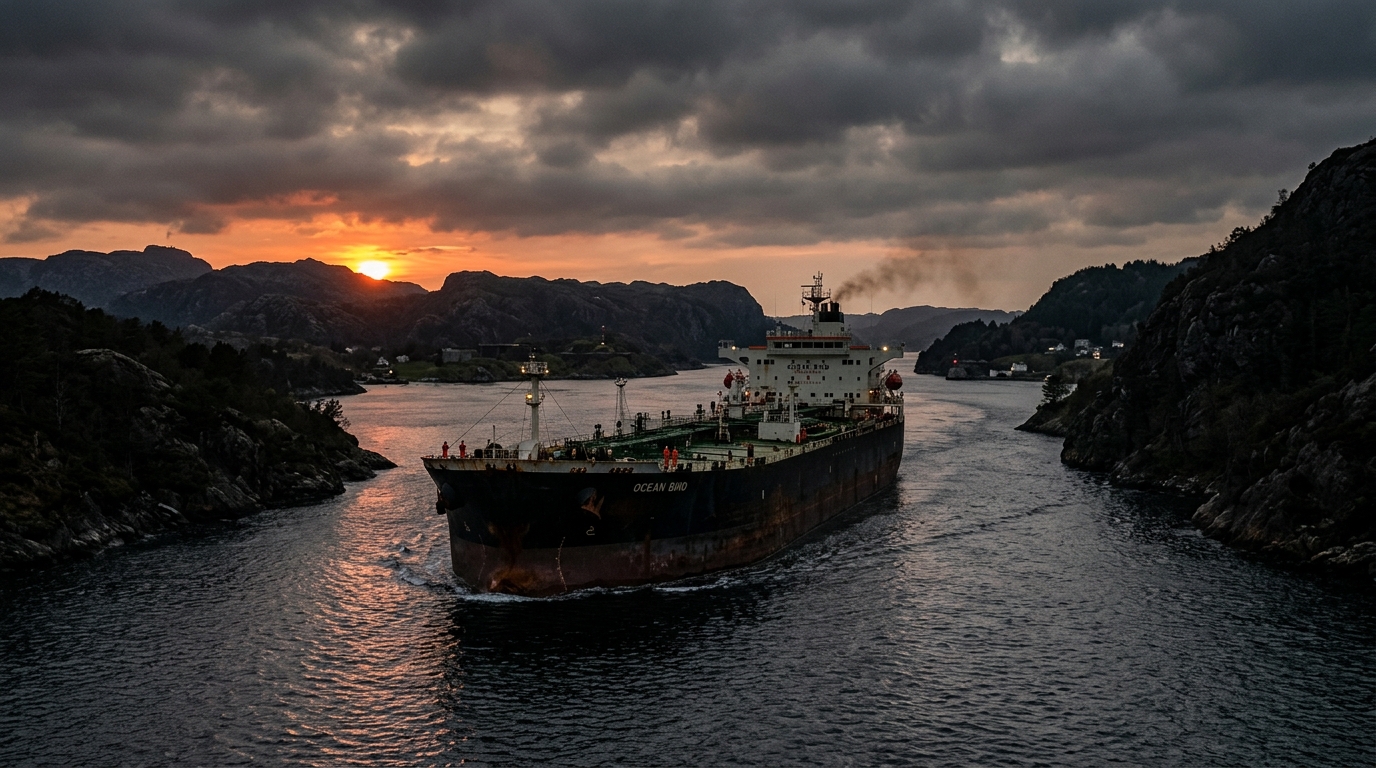
Image is an AI-generated illustration, not a real photograph.
Reports of ship attacks near the Strait of Hormuz have recently surged to a record high, with UK Maritime Trade Operations (UKMTO) data indicating twelve vessels were struck between October 5 and 11, 2026. This marks the highest weekly total since the onset of the US-Israeli conflict with Iran. The escalation in incidents has notably impacted global oil exports, with daily flows through the vital waterway slowing to approximately 12.6 million barrels as of October 13, down from 15 million barrels per day at the end of September.
Among the recent attacks, two cargo ships, the Singapore-registered GFS Pride and the Antigua and Barbuda-flagged Cape Dao, have reportedly sunk in separate incidents. The GFS Pride sank after being struck by an unidentified projectile or, as Iran claims, hitting a naval mine, while the Cape Dao succumbed after an earlier projectile strike in September. Additionally, the Nicaragua-flagged tanker Petro Dolphin caught fire after a drone strike near Oman.
These heightened attacks are attributed to Iran, which is reportedly intensifying its actions in response to a US effort to increase oil traffic through the Strait and existing US sanctions. Despite the increased risks, the US military's Central Command asserts that commercial shipping continues to navigate the Strait of Hormuz under coordinated protection from US forces and regional partners.
What each outlet emphasizes
- BBC: highlights record high ship attack reports and the slowdown of oil exports
- AJ: quotes an Iranian commander stating traffic is 'very, very limited' in Hormuz Strait
Read it at the source
newscord.org ↗ ua.news ↗ cnn.com ↗ washingtonpost.com ↗ democracynow.org ↗