Six months into Iran-US war, region faces tough questions amid ongoing conflict
The Middle East grapples with the fallout of a six-month conflict between Iran and the US, as leaders acknowledge economic toll and pledge diplomacy.
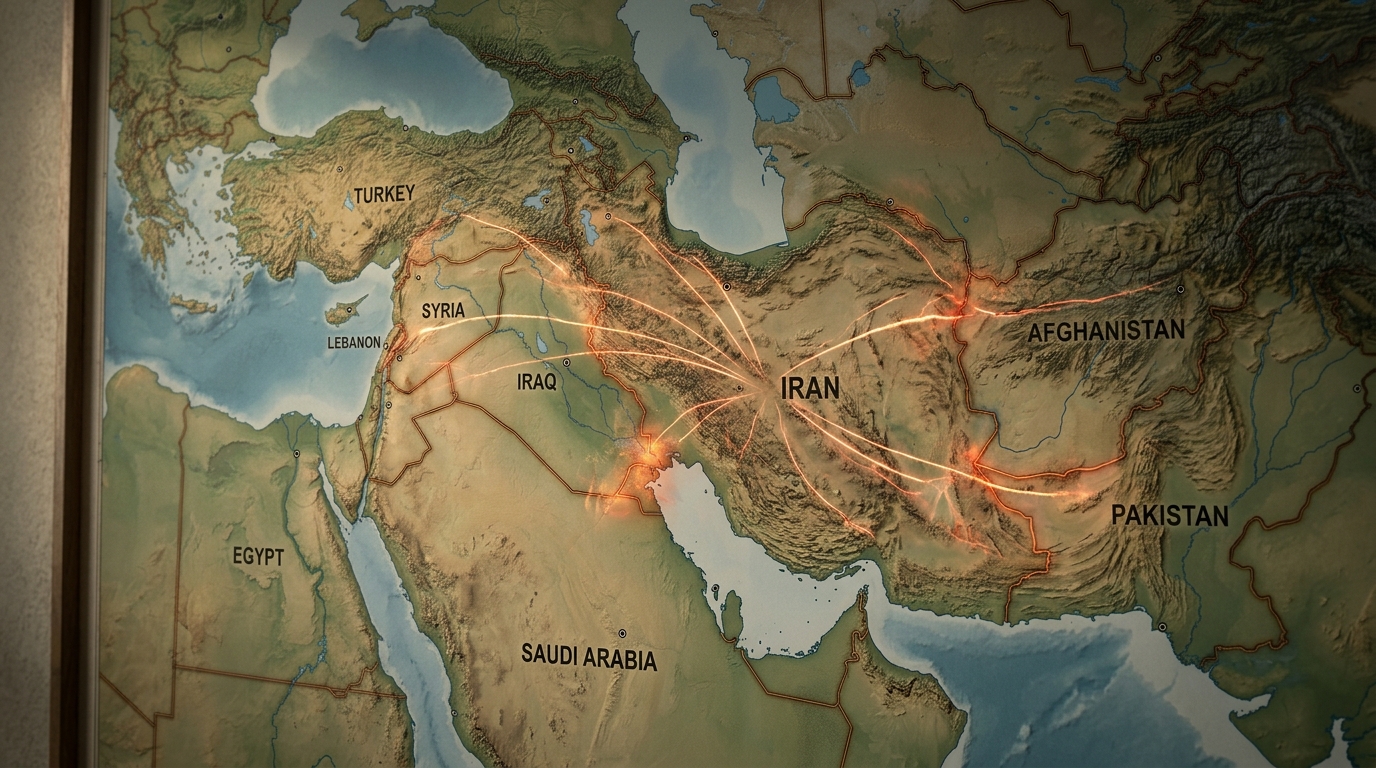
Image is an AI-generated illustration, not a real photograph.
Six months into an ongoing conflict, the Middle East is grappling with the severe fallout of a war between Iran and the United States, which began on February 28, 2026, with US-Israeli airstrikes on Iran. The fighting, which included the killing of Iran's Supreme Leader Ali Khamenei in the initial strikes and Iran's subsequent closure of the Strait of Hormuz, has significantly destabilized the region. This prolonged conflict has led to widespread economic repercussions, causing a substantial slowdown in global growth, which is now at its lowest rate since the COVID-19 pandemic.
The economic impact includes the largest supply disruption in the history of the global oil market, driving up energy prices, fertilizer costs, and inflation worldwide. Many developing economies are particularly vulnerable to these pressures, facing increased borrowing costs and weakened trade. The closure of the Strait of Hormuz, a critical waterway for oil transport, remains a central point of contention and a significant factor in the economic distress.
Despite a Pakistan-mediated ceasefire and a memorandum of understanding in June, large-scale fighting has largely ceased, though sporadic attacks and mutual accusations of violations persist. While Iran has expressed openness to diplomacy if the US halts its pressure campaign, both sides currently indicate no immediate plans for renewed peace talks, with the US continuing to impose economic sanctions.
What each outlet emphasizes
- CNN: highlighting Iranian Americans' division over what comes next six months into the Iran war
- AJ: reporting on Iran's leaders acknowledging the economic toll and Arab states facing tough questions after six months of war between Iran, US
Read it at the source
britannica.com ↗ wikipedia.org ↗ cfr.org ↗ parliament.uk ↗ theguardian.com ↗