As smart glasses become more widespread, so too does the backlash
The increasing prevalence of smart glasses is leading to a growing public backlash, raising concerns about privacy and social norms.
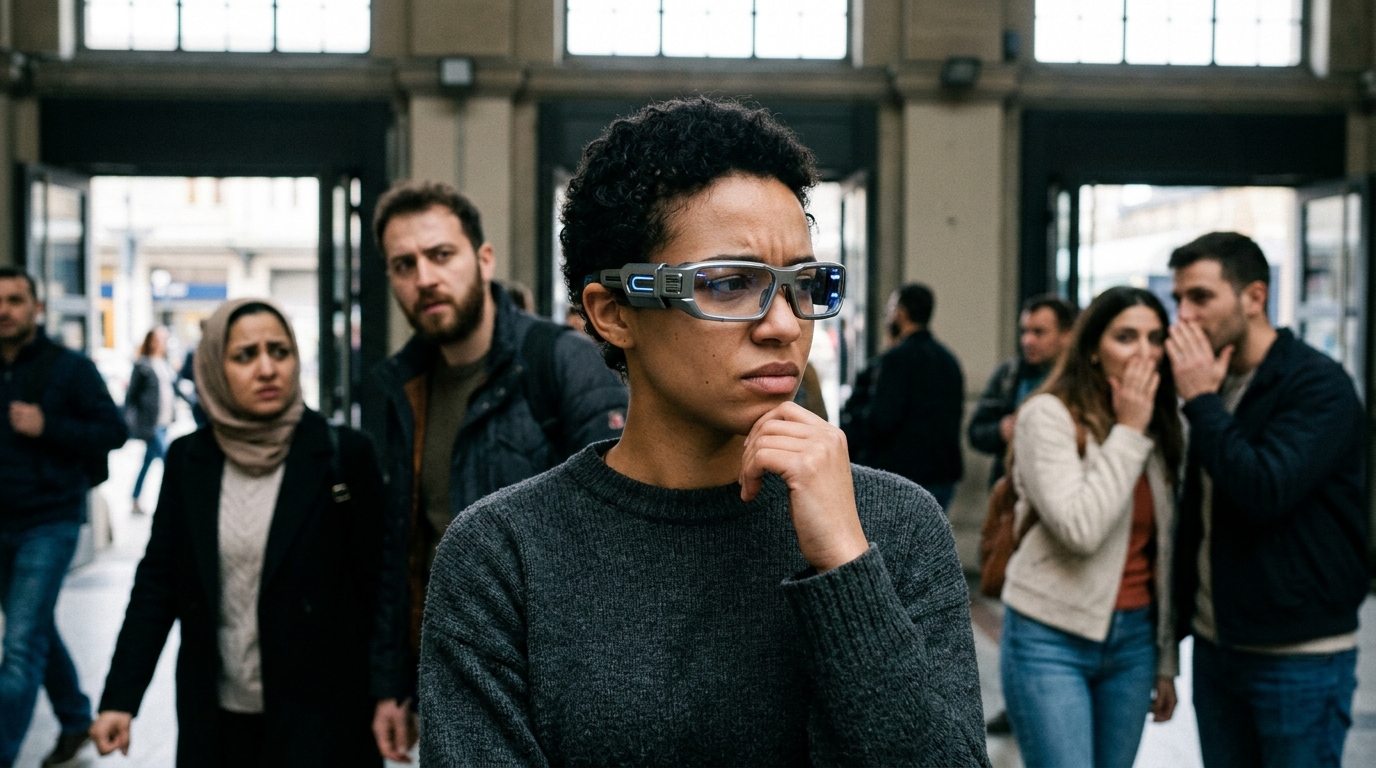
Image is an AI-generated illustration, not a real photograph.
The increasing adoption of smart glasses, particularly those equipped with cameras and artificial intelligence, is leading to a significant public backlash driven by escalating privacy concerns and a disruption of established social norms. A key issue is the ability of these devices to record video and audio discreetly, often without the knowledge or consent of those being filmed. This covert recording capability, combined with AI that can analyze surroundings and identify individuals, raises fears of constant surveillance and unauthorized data collection.
This growing unease has resulted in widespread discomfort among the public, with reports of individuals being filmed for social media content, sometimes leading to harassment. Consequently, various venues, including cinemas, gyms, and certain workplaces, have begun implementing bans or restrictions on camera-enabled smart glasses to protect privacy. Regulatory bodies are also expressing vigilance over the ethical and societal implications of this technology.
In response to the mounting criticism and potential legal challenges, some manufacturers are exploring design changes, such as developing camera-free smart glasses, to address consumer trust issues. The debate highlights a critical challenge for the tech industry: balancing the utility and innovation of wearable AI devices with the fundamental rights to privacy and the maintenance of societal expectations regarding personal space and consent.
What each outlet emphasizes
- CNN: As smart glasses become more widespread, so too does the backlash
Read it at the source
virtualcity.com.au ↗ insurancejournal.com ↗ latimes.com ↗ youtube.com ↗ kq2.com ↗