Trump's new tariffs hit sales for companies like Shein, sparking debate over economic strategy
Recent tariffs imposed by Donald Trump are impacting sales for major companies and are being debated as either a forced-labor crackdown or an end-run around Congress.
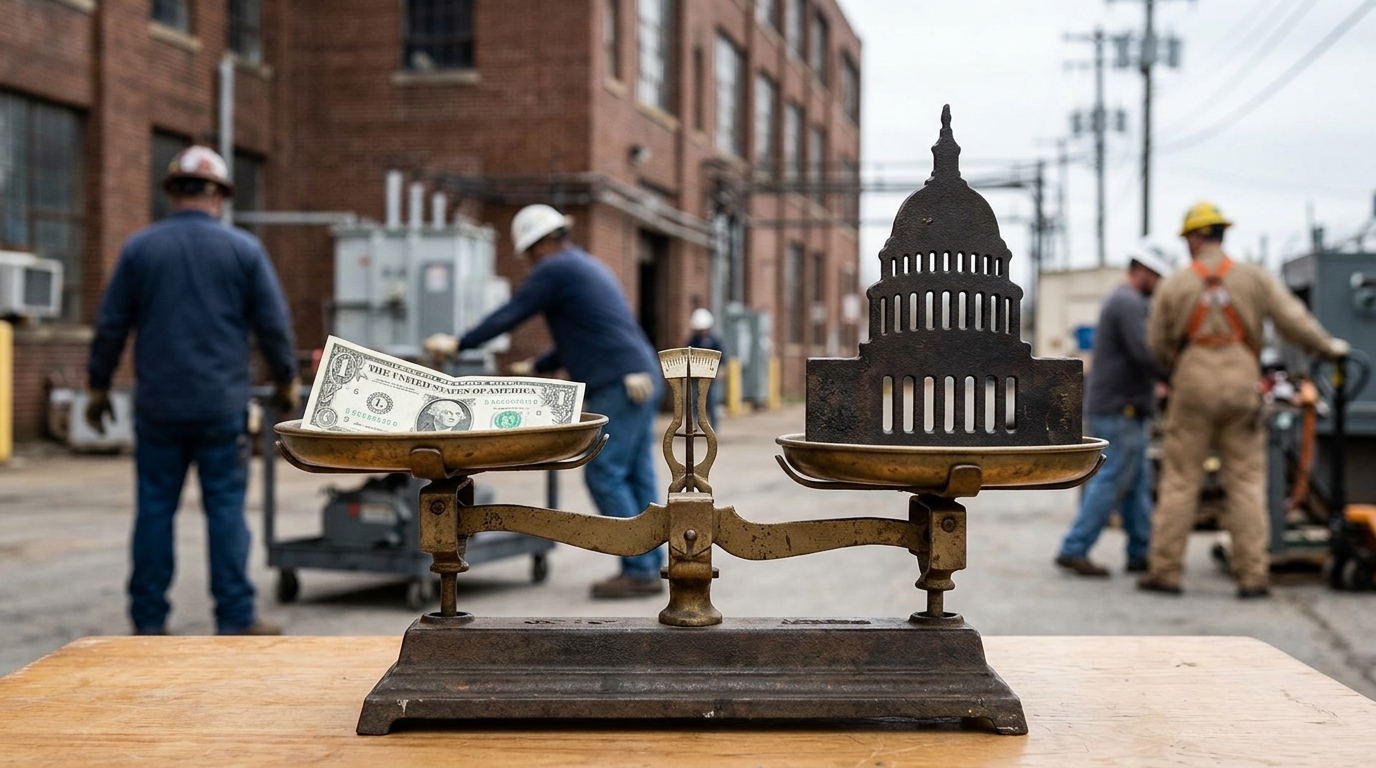
Image is an AI-generated illustration, not a real photograph.
Recent tariffs imposed by the Trump administration, ostensibly to combat forced labor, are significantly impacting companies like fast-fashion retailer Shein and fueling debate over presidential authority and economic strategy. Shein recently reported a substantial quarterly loss, largely attributed to the removal of a "de minimis" tariff exemption that previously allowed small packages to enter the U.S. without import duties. This change means products shipped directly from China to U.S. customers are now subject to taxes ranging from 10% to 87.5%, prompting Shein to consider price increases to offset rising costs and recover from a 14.3% drop in U.S. revenue.
The new tariffs, ranging from 10% to 12.5% on goods from 60 economies, have been implemented under Section 301 of the Trade Act of 1974, with the stated aim of addressing forced labor concerns. This move follows earlier attempts by the administration to impose broad tariffs under different authorities, including the International Emergency Economic Powers Act (IEEPA), which were struck down by the Supreme Court in February 2026. Critics argue that the administration is employing these new tariffs as an end-run around congressional authority, as the Constitution primarily vests the power to impose tariffs in Congress.
The economic implications extend beyond individual companies, with estimates suggesting that tariffs could increase taxes per U.S. household by approximately $700 in 2026. While the administration frames the tariffs as a crackdown on forced labor, the broader debate centers on the effectiveness of such measures, their economic burden on consumers, and the extent of presidential power in trade policy. Some analysts suggest that while the new justification may be more durable to legal challenges, the long-term impact on the U.S. economy could include persistently smaller GDP.
What each outlet emphasizes
- BBC: Shein posts $99m loss as Trump tariffs hit sales
- AP: A forced-labor crackdown or an end-run around Congress? Dissecting Trump's new tariffs
Read it at the source
bdaily.co.uk ↗ retailgazette.co.uk ↗ adaderana.lk ↗ capitalfm.africa ↗ independent.co.uk ↗