Why can’t Britain hold on to prime ministers? It’s the economy; Brexit broke British politics
Britain faces ongoing political instability, marked by a rapid succession of prime ministers, with analysts pointing to the economy and the lasting impact of Brexit as key factors.
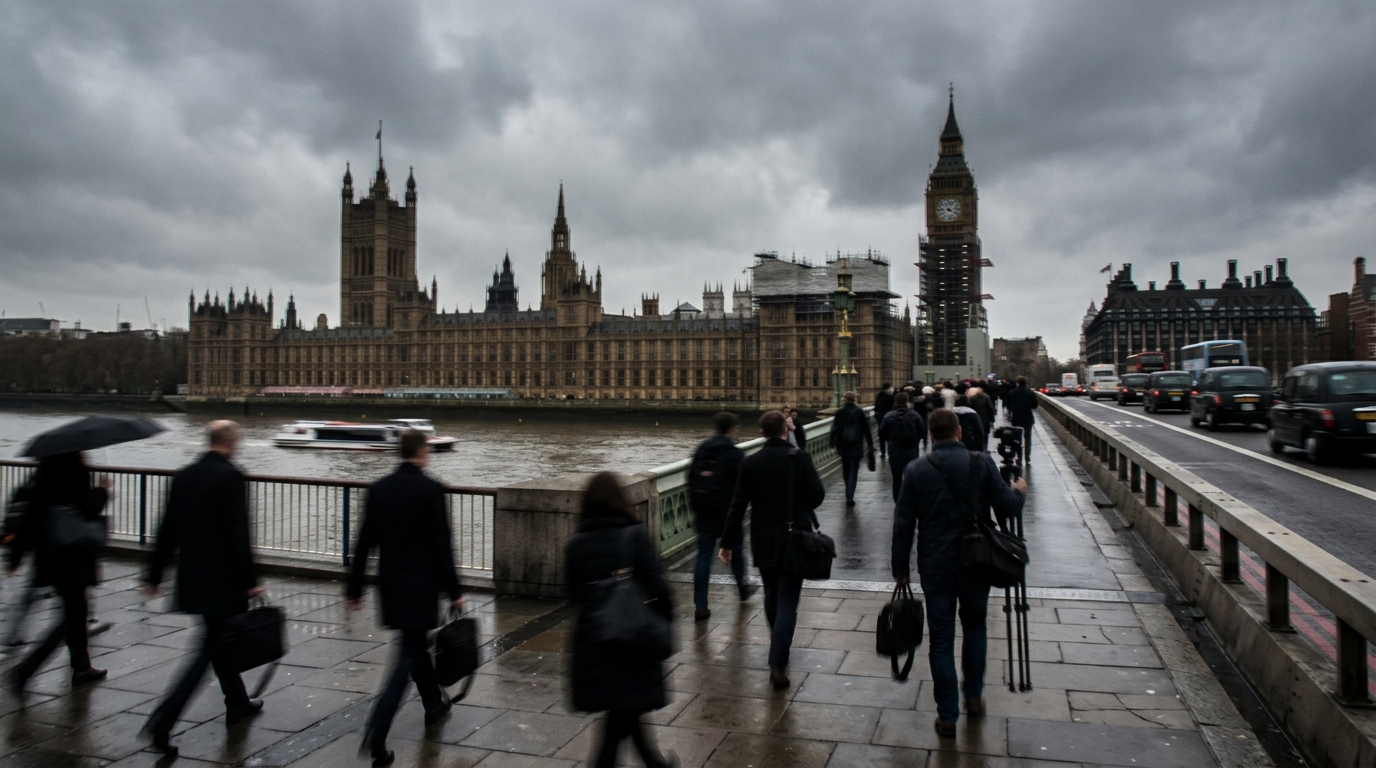
Image is an AI-generated illustration, not a real photograph.
The United Kingdom has experienced a period of marked political instability over the last decade, characterized by a rapid turnover of prime ministers. This trend highlights a deeper fracturing within British politics, making it increasingly challenging for leaders to maintain public confidence and implement long-term policy. The recent resignation of Prime Minister Keir Starmer marks the seventh leader in ten years, underscoring the persistent governmental fragility.
A primary driver of this instability is the enduring legacy of Brexit, which has fundamentally reshaped the political landscape. The 2016 referendum created profound divisions across the country and within traditional parties, fostering a sense of dissatisfaction and distrust among voters. These deep-seated ideological cleavages have made governing more difficult, weakened party loyalties, and shortened the "honeymoon period" for new leaders.
Compounding these political challenges are significant economic difficulties. Stagnating living standards, persistent economic insecurity, and a perceived decline in public services have fueled widespread public discontent and anti-incumbency sentiment. The economic impact of Brexit, including reduced GDP and increased trade barriers, has exacerbated these issues, limiting government options and further undermining faith in political leadership.
What each outlet emphasizes
- CNN: Analysis by Hanna Ziady Why can’t Britain hold on to prime ministers? It’s the economy
- BBC: Starmer holds talks with Burnham as he seeks 'orderly' transition; A decade on from Brexit, the new PM has big calls to make on Europe
- The Guardian: Europe’s media look on in bemusement at post-Brexit ‘revolving door’ of UK prime ministers
- AP: How Brexit broke British politics
Read it at the source
lse.ac.uk ↗ youtube.com ↗ aljazeera.com ↗ youtube.com ↗ cbsnews.com ↗