Cyclospora outbreaks start with human contamination. Nobody has ever been able to figure out how
A historic Cyclospora outbreak is spreading across the US, causing severe illness, with health experts still unable to pinpoint the exact source of contamination.
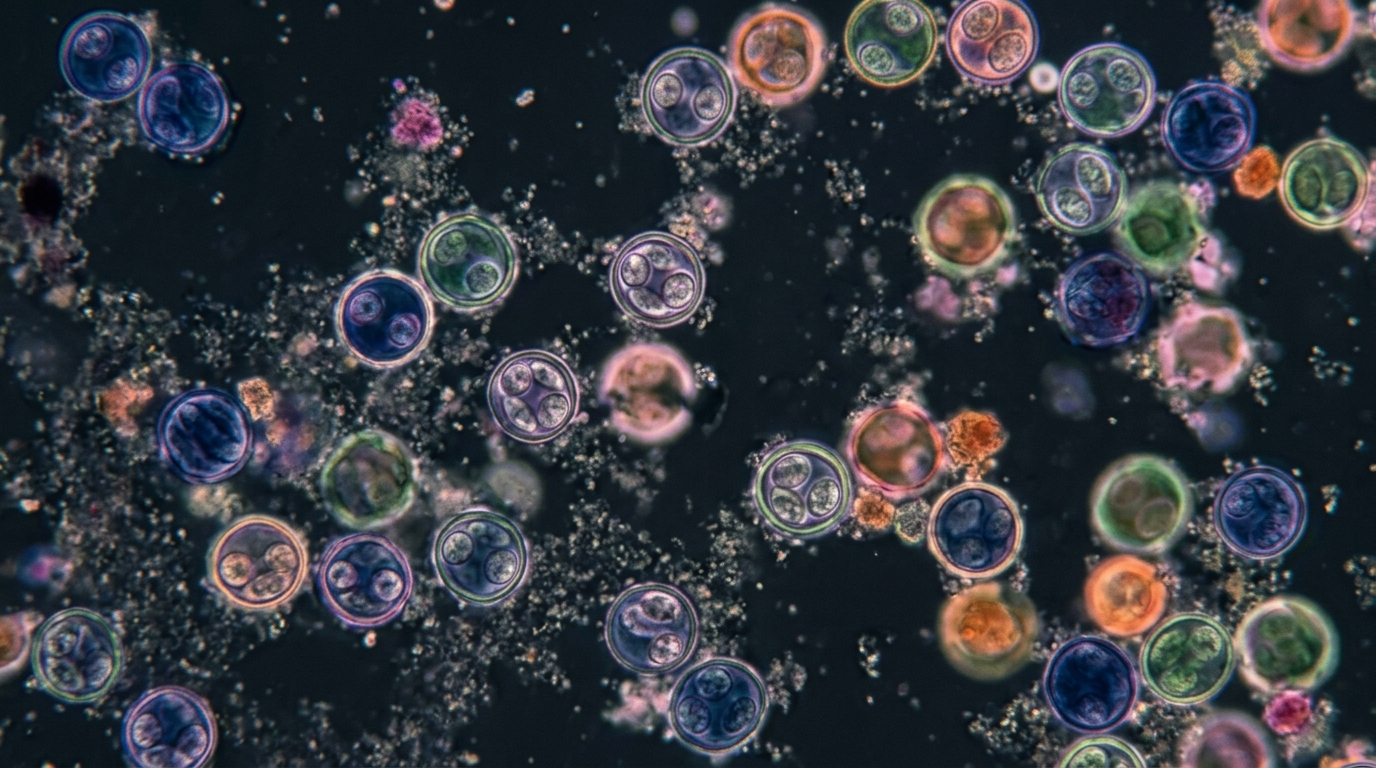
Image is an AI-generated illustration, not a real photograph.
A historic Cyclospora outbreak is currently sweeping across the United States, with health officials grappling to pinpoint the precise origin of widespread contamination. As of July 24, 2026, the Centers for Disease Control and Prevention (CDC) is investigating over 11,500 suspected cases, including 4,173 lab-confirmed instances reported since May 1, marking a significant increase compared to previous years. This parasitic illness, cyclosporiasis, typically causes severe gastrointestinal symptoms like watery diarrhea and is transmitted through food or water contaminated with *Cyclospora* parasites.
A major cluster within this outbreak has been linked to shredded iceberg lettuce sourced from central Mexico, supplied by Taylor Farms de Mexico, and served at Taco Bell restaurants across nine states. States affected by this specific cluster include Illinois, Indiana, Kansas, Kentucky, Michigan, Ohio, Oklahoma, Pennsylvania, and West Virginia. Taylor Farms de Mexico has issued a voluntary recall of the implicated lettuce, and investigations continue to determine if the contaminated produce reached other establishments. While over 1,947 cases and at least 98 hospitalizations are tied to this lettuce-related outbreak, no fatalities have been reported. The CDC is also investigating other, unrelated *Cyclospora* clusters, including some cases in North Carolina potentially linked to parsley, cilantro, and other lettuce varieties.
The fundamental challenge in preventing and investigating *Cyclospora* outbreaks stems from the difficulty in tracing the parasite's exact entry point into the food supply. While human feces are understood to be the ultimate source of contamination, the microscopic *Cyclospora* oocysts are not infectious immediately after being shed, requiring time to mature before they can cause illness. Furthermore, the parasite's long incubation period, its resilience to simple washing, and the difficulty in laboratory detection make it challenging to identify the specific contaminated food item and the precise method of initial contamination before affected produce is consumed or discarded.
What each outlet emphasizes
- CNN: Cyclospora outbreaks start with human contamination. Nobody has ever been able to figure out how
- BBC: Using a bathroom 20 times a day - life in the middle of US cyclospora outbreak
Read it at the source
cdc.gov ↗ theguardian.com ↗ charlotte.edu ↗ ncsu.edu ↗ washingtonpost.com ↗