US-Funded Vaccine Trial on Babies in Guinea-Bissau Cancelled Amid Ethical Concerns
A US-funded vaccine trial involving babies in Guinea-Bissau has been cancelled after being condemned as "unethical" and "neocolonial" due to concerns over the experimental design.
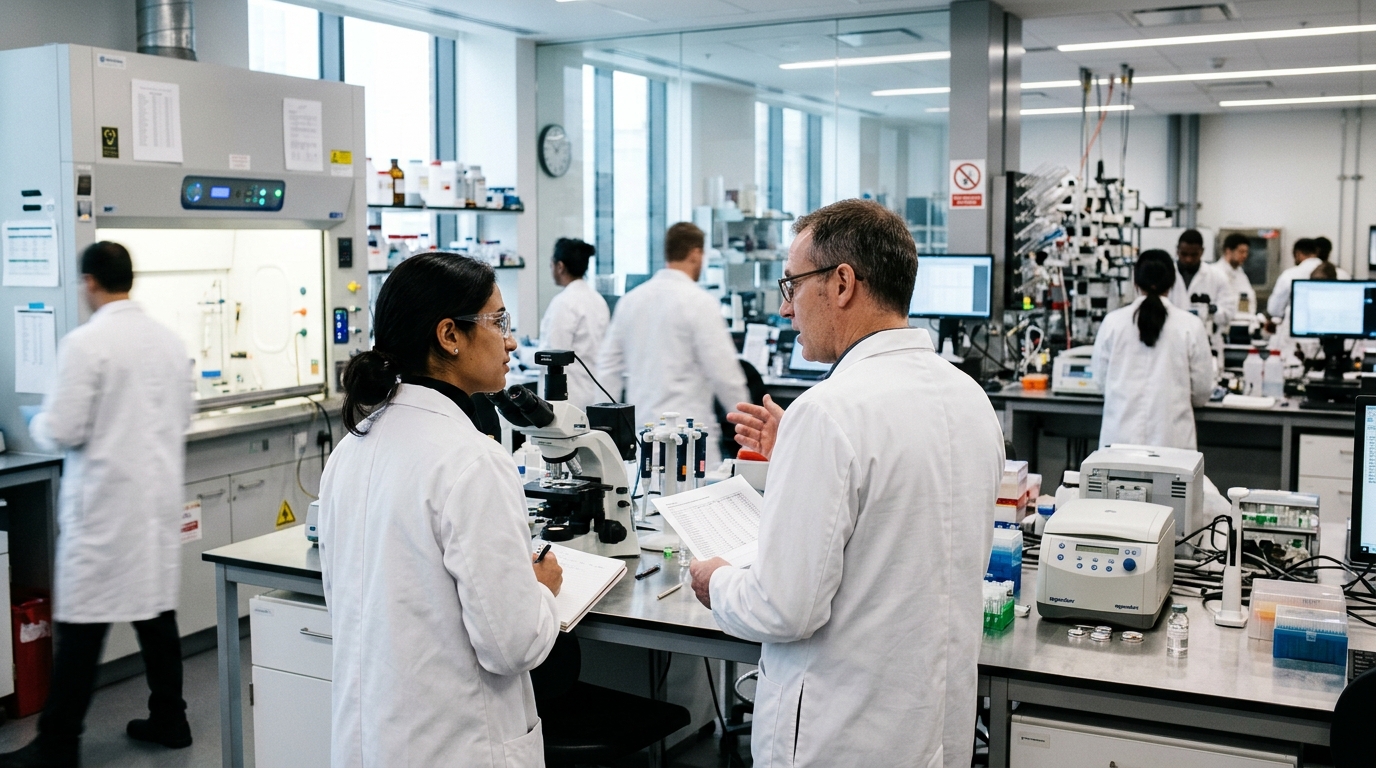
Image is an AI-generated illustration, not a real photograph.
A US-funded vaccine trial in Guinea-Bissau, designed to study the hepatitis B vaccine's broader effects on newborns, has been cancelled following widespread condemnation over ethical concerns. The proposed trial, which planned to enroll 14,000 infants, drew criticism for its experimental design, which intended to withhold the standard birth dose of the hepatitis B vaccine from half of the participants. This approach was deemed unethical by numerous health experts and organizations, including the World Health Organization (WHO) and the Africa Centres for Disease Control and Prevention (Africa CDC), who emphasized the importance of immediate hepatitis B vaccination for newborns to prevent lifelong infection.
The controversial study, set to receive $1.6 million from the US Centers for Disease Control and Prevention (CDC) and additional private funding, was to be led by Danish researchers from the Bandim Health Project. Critics argued that the trial reflected "neocolonialist" attitudes, as it proposed research standards that would not be acceptable in wealthier nations, potentially exposing vulnerable infants in Guinea-Bissau to preventable risks. Guinea-Bissau's Health Minister, Quinhin Nantote, denied the government had authorized the study in its reported format and subsequently halted the project, leading to an investigation and the seizure of vaccine batches intended for the trial.
What each outlet emphasizes
- BBC: Why a US-funded vaccine trial on babies was cancelled in Guinea-Bissau: The trial was condemned as 'unethical' and 'neocolonial' because half of the babies would
Read it at the source
umn.edu ↗ blavity.com ↗ the-star.co.ke ↗ theguardian.com ↗ umn.edu ↗