US-Iran conflict escalates with deadly strikes, raising oil prices and diplomatic concerns
The US has launched its ninth consecutive night of strikes on Iran, following an attack that killed three American service members, as both sides maintain diplomacy is still an option.
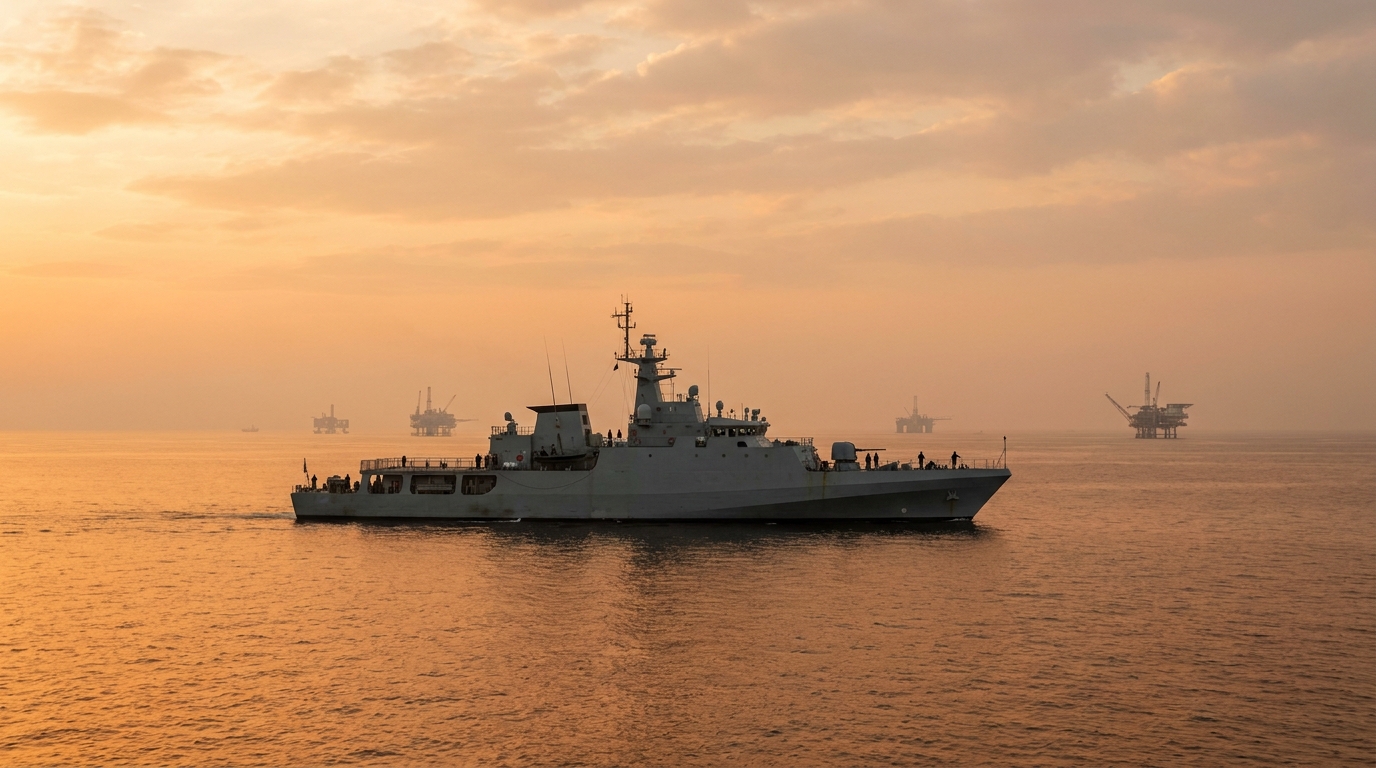
Image is an AI-generated illustration, not a real photograph.
The United States has carried out a ninth consecutive night of airstrikes against Iran, following the death of an American service member in Iraq on July 18. This latest casualty, which occurred during the controlled detonation of a downed Iranian drone, adds to previous fatalities, including two American soldiers killed in a Jordanian airbase attack on July 17. The continued military actions signal a significant escalation in the ongoing conflict between the two nations.
In response to the renewed US strikes, Iran has launched its own attacks, reportedly targeting US-allied countries such as Kuwait and Bahrain, and claiming two oil tankers exploded in the Strait of Hormuz. These escalating hostilities have intensified concerns over global oil supplies and shipping security in the vital Strait of Hormuz, causing Brent crude oil prices to climb above $90 a barrel. The conflict further unravels a temporary ceasefire agreement from the previous month, pushing the US and Iran closer to a full-scale war.
What each outlet emphasizes
- CNN: details on US casualties, diplomatic efforts, and economic impact like gas prices
- BBC: Trump's justification for strikes and Iran's retaliatory actions
- AJ: focus on the nine consecutive nights of US bombing and Houthi involvement
- The Guardian: Iran's threat to block the Strait of Hormuz and its impact on European gas prices
- AP: expansion of US bombing, American troop deaths, and Tehran's retaliation against Gulf states
Read it at the source
theguardian.com ↗ washingtonpost.com ↗ theguardian.com ↗ theguardian.com ↗ cbsnews.com ↗