Trump signs US-Iran agreement, lifts blockade, as critics question its terms and benefits
A new agreement between the US and Iran has been signed, leading to the lifting of a naval blockade and a proposed $300 billion reconstruction fund, though its effectiveness and long-term implications are widely debated.
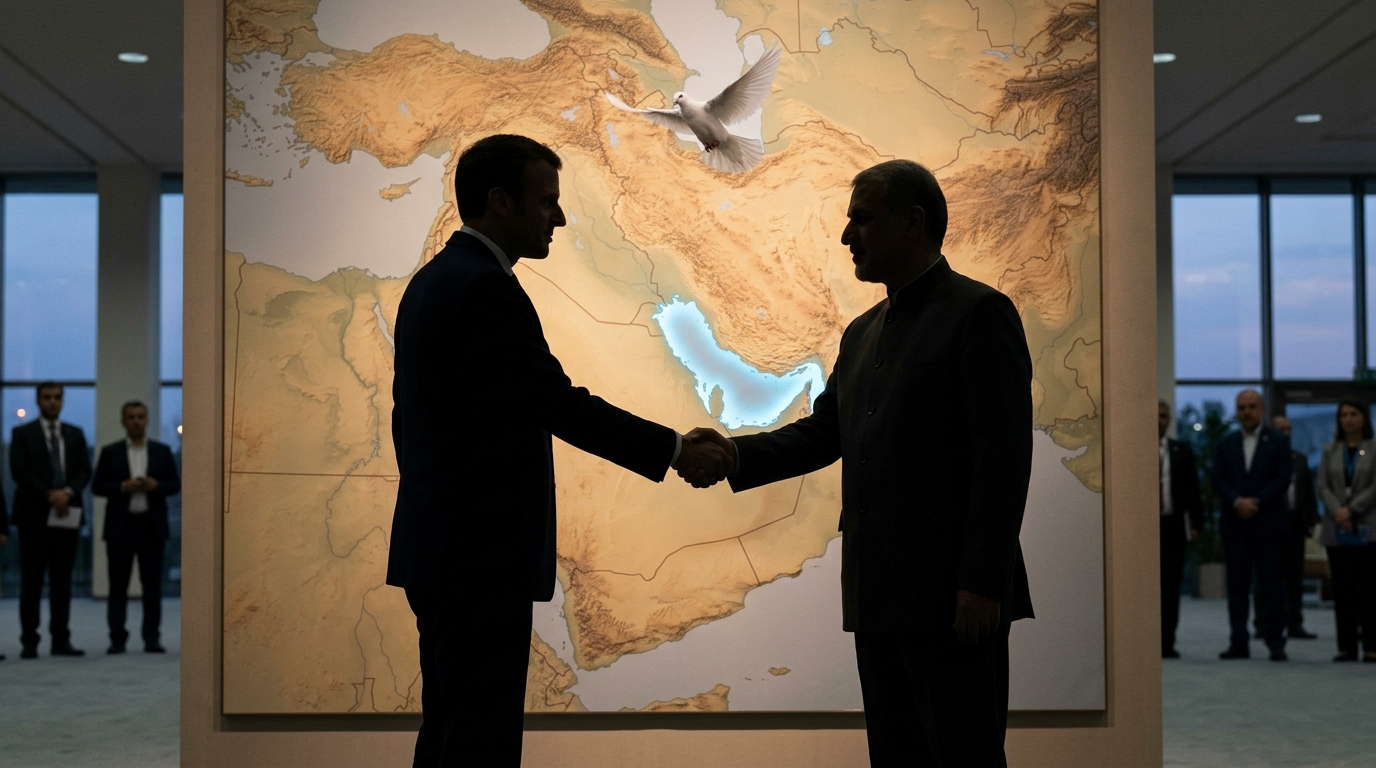
Image is an AI-generated illustration, not a real photograph.
President Trump has formally signed a new peace agreement between the United States and Iran, an initial memorandum of understanding aimed at extending a ceasefire and immediately reopening the crucial Strait of Hormuz. The accord, reached after months of negotiations, seeks to ease ongoing tensions and facilitate global oil flow.
Vice President JD Vance has actively defended the deal amidst significant criticism regarding its terms and potential side agreements. While the agreement declares an immediate cessation of military operations on all fronts, it serves as a preliminary pact, setting the stage for further negotiations over the next 60 days on complex issues such as Iran's nuclear program and the lifting of U.S. sanctions.
Despite the stated goals, mixed messages and lingering questions persist, notably concerning the complete lifting of the U.S. naval blockade on Iranian ports and the involvement of regional allies. The deal has been met with varied reactions, highlighting the ongoing challenges in achieving a comprehensive and lasting peace in the region.
What each outlet emphasizes
- CNN: reports on the secret proposals, Trump's goals, and Republican reproach, while tracking the Strait of Hormuz reopening.
- BBC: emphasizes the lifting of the naval blockade, Iran's supreme leader's reaction, and analyzes what both sides gain.
- AJ: highlights the lifting of the blockade, Iran's perceived benefits, and the $300bn reconstruction fund as a flashpoint.
- The Guardian: links the deal to falling gas prices and suggests it signifies a US retreat.
- AP: notes the dip in US gas prices, potentially related to the deal.
Read it at the source
cde.news ↗ theguardian.com ↗ cfr.org ↗ latimes.com ↗ cbsnews.com ↗