Iran Power Struggle Could Decide End of Trump's War, US Leaders Affected
An internal power struggle within Iran is seen as a key factor that could determine the conclusion of "Trump's war," with US leaders and the economy already feeling the impact of the six-month conflict.
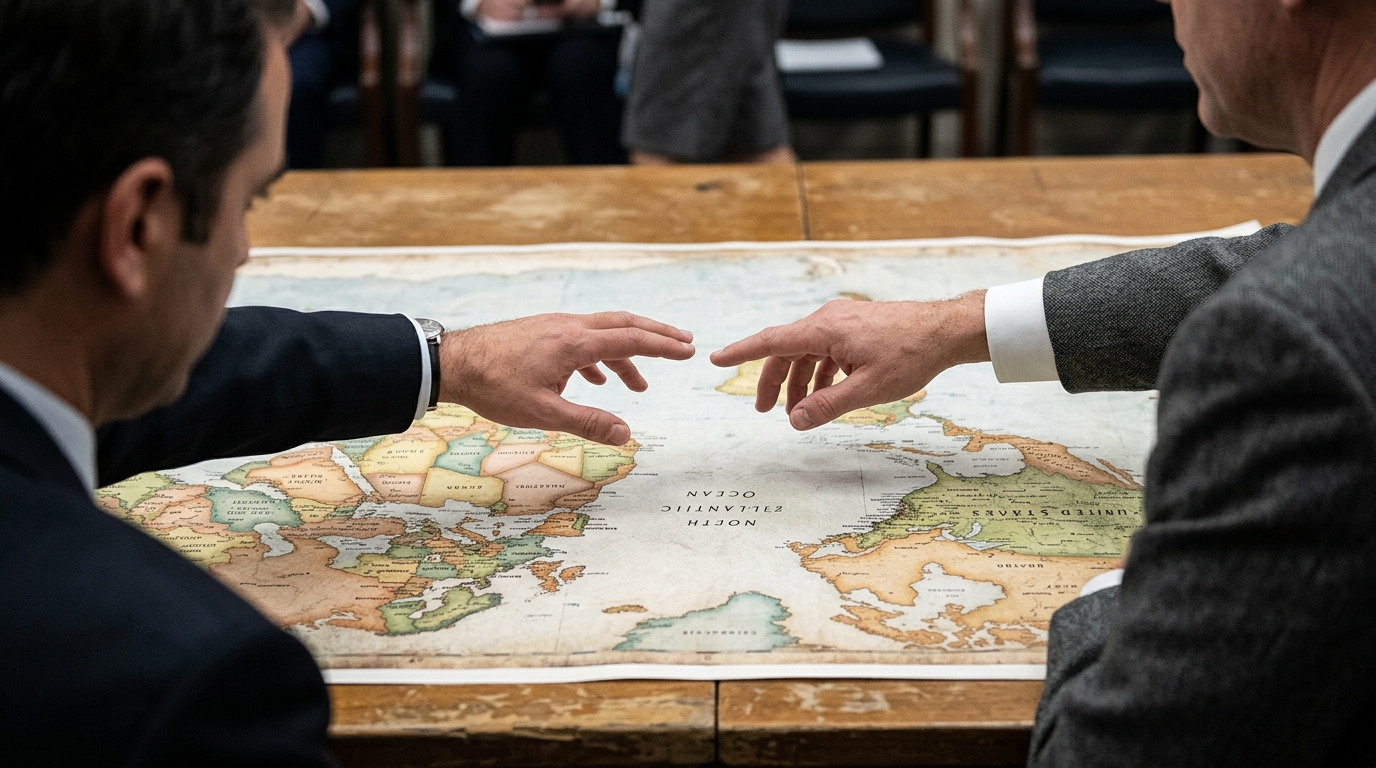
Image is an AI-generated illustration, not a real photograph.
An internal power struggle within Iran is reportedly intensifying six months into the conflict that began with US and Israeli strikes on February 28, 2026. Following the death of Supreme Leader Ali Khamenei in the initial attacks, his son Mojtaba Khamenei assumed leadership, leading to a period of internal consolidation and an increased role for the Islamic Revolutionary Guard Corps (IRGC). This shift has revealed divisions among Iran's ruling factions, particularly regarding negotiations with the United States, with hardliners maintaining an anti-concession stance despite ongoing economic pressure.
The "Trump's war," as it has been termed, has significantly impacted both the global and US economies. The conflict has caused the largest supply disruption in the history of the global oil market, leading to volatile oil prices, currency instability, and inflation. For US leaders, the war has been unpopular, affecting perceptions of President Donald Trump's administration and potentially influencing the 2026 midterm elections. The ongoing conflict has also incurred substantial military costs for the United States.
What each outlet emphasizes
- CNN: provides analysis on how a power struggle in Iran could decide when Trump's war ends.
- AJ: explores how life has changed for Iranians, how US leaders have been hit by the war, and the tough questions Arab states face.
- AP: reports on investors prospering and consumers paying as the Iran war exacts an uneven economic toll six months in.
Read it at the source
cfr.org ↗ britannica.com ↗ wikipedia.org ↗ theguardian.com ↗ parliament.uk ↗