Iran-US tensions escalate: Trump's policies, power struggles, and economic toll after 6 months of war
Six months into a period of heightened tensions, US policies under Trump, internal power struggles in Iran, and economic sanctions are shaping the future of the region.
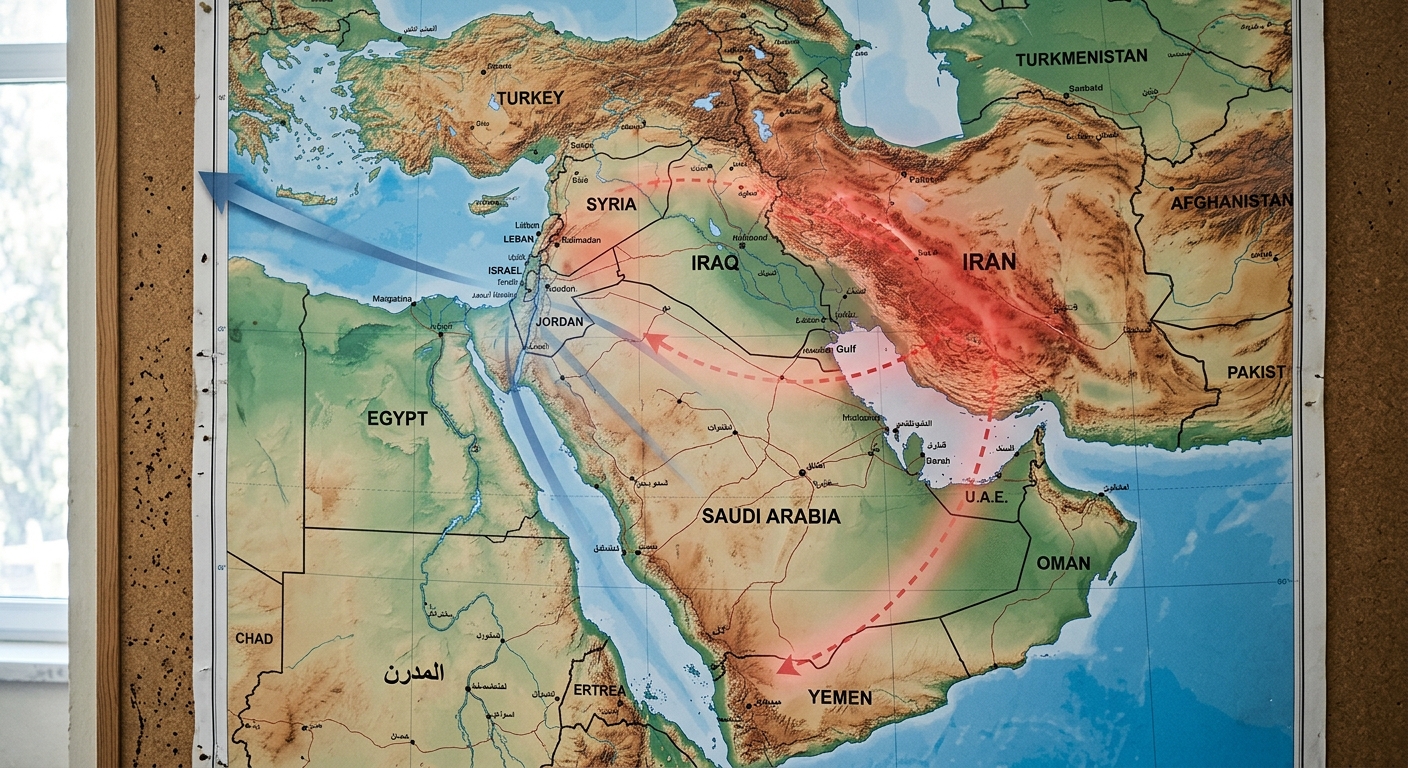
Image is an AI-generated illustration, not a real photograph.
As of August 30, 2026, six months have passed since the United States and Israel initiated strikes against Iran on February 28, 2026, which led to the death of Iran's Supreme Leader Ali Khamenei and targeted military and nuclear infrastructure. The conflict, described by some as "Trump's war," has escalated into a regional crisis with significant global economic consequences, particularly affecting oil markets and navigation through the Strait of Hormuz, which remains largely compromised. Despite a Pakistan-mediated ceasefire and a June memorandum of understanding, large-scale fighting has paused only intermittently, with both sides trading accusations of violations and renewed strikes.
President Donald Trump's administration has intensified its "maximum pressure" campaign with new measures, including an "economic D-Day" and "Operation Economic Outcast," aiming to further isolate Iran financially and cut off its access to the global economy. These policies have significantly exacerbated Iran's already strained economy, which has suffered from years of sanctions, mismanagement, and the ongoing war. The nation is experiencing high annual inflation, a depreciating currency, and widespread shortages, leading to severe hardship for ordinary Iranians and fueling internal unrest.
Amid the protracted conflict and severe economic pressure, Iran's leadership faces internal power struggles concerning the nation's future strategy. While some pragmatists, including President Masoud Pezeshkian, advocate for negotiations with the United States from a position of relative strength, hardline factions within the Islamic Revolutionary Guard Corps and ultraconservative elements favor continued confrontation, believing Iran can withstand the pressure. The war has intensified existing domestic grievances, as the regime contends with protests and challenges to its authority, further complicating its response to external pressures.
What each outlet emphasizes
- CNN: provides analysis on Iran losing leverage in the Strait of Hormuz and internal power struggles influencing the 'war's' end
- AJ: reports on Iran's navy asserting its strength, the impact of Trump's sanctions on Iran's economy, and the broader regional implications
- AP: emphasizes the uneven economic toll of the Iran war on investors and consumers after six months
Read it at the source
wikipedia.org ↗ cfr.org ↗ parliament.uk ↗ theguardian.com ↗ theguardian.com ↗