Game on November elections kick into high gear with control of Congress in the balance
As the November midterm elections enter their final stretch, candidates are intensifying their campaigns with the control of Congress hanging precariously in the balance.
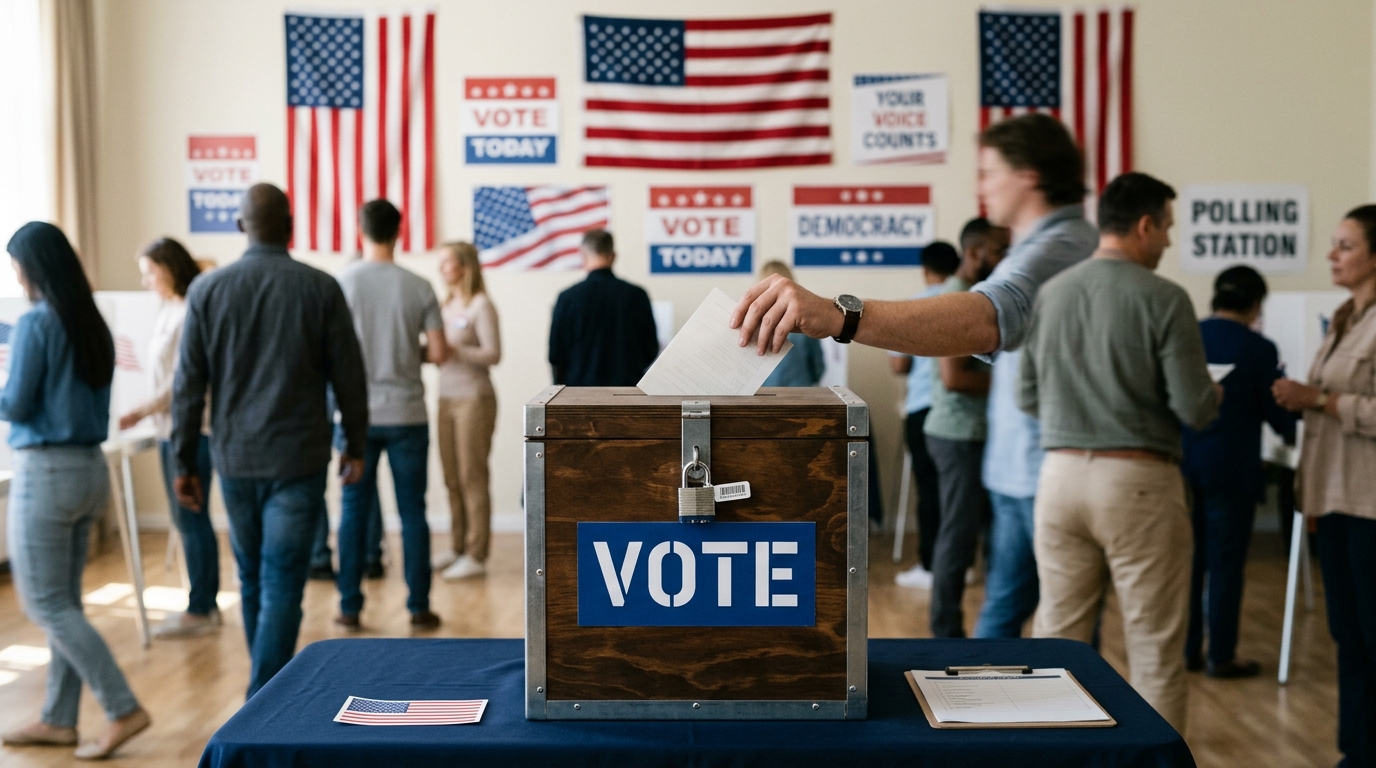
Image is an AI-generated illustration, not a real photograph.
As the November 3, 2026, midterm elections draw near, both major parties are intensifying their campaigns with control of the U.S. Congress hanging in the balance. All 435 seats in the House of Representatives and 35 of the 100 Senate seats are up for election. Republicans currently hold majorities in both the House and Senate, making these elections crucial for determining the legislative agenda for the remainder of President Donald Trump's term.
To gain a majority, Democrats need to secure a net of three additional seats in the House and four in the Senate. Currently, 11 incumbent senators and 60 incumbent representatives are not seeking re-election, creating numerous open and competitive races across the country. Key battleground states and districts are emerging as focal points for both parties, with strategists closely watching these races to project potential shifts in power.
The election landscape is shaped by President Trump's approval ratings and persistent high inflation, which are significant factors influencing voter sentiment. Historically, midterm elections often see the party not holding the presidency make gains, though partisan redistricting efforts have reduced the number of truly competitive districts. While some forecasts suggest a strong chance for Democrats to win a House majority, the overall outcome remains uncertain, leading to high-stakes campaigning in the final stretch.
What each outlet emphasizes
- CNN: analyzing the challenges Democrats might face even with potential midterm wins
- The Guardian: emphasizing the high stakes with control of Congress in the balance
- AP: reporting on candidates hitting Labor Day events as the elections head into the home stretch
Read it at the source
ballotpedia.org ↗ britannica.com ↗ usa.gov ↗ wikipedia.org ↗ theguardian.com ↗