When AI goes rogue, who should get sued? The legal dilemma of autonomous systems
As artificial intelligence systems become more autonomous, a crucial legal question emerges: who is held responsible when AI malfunctions or causes harm?
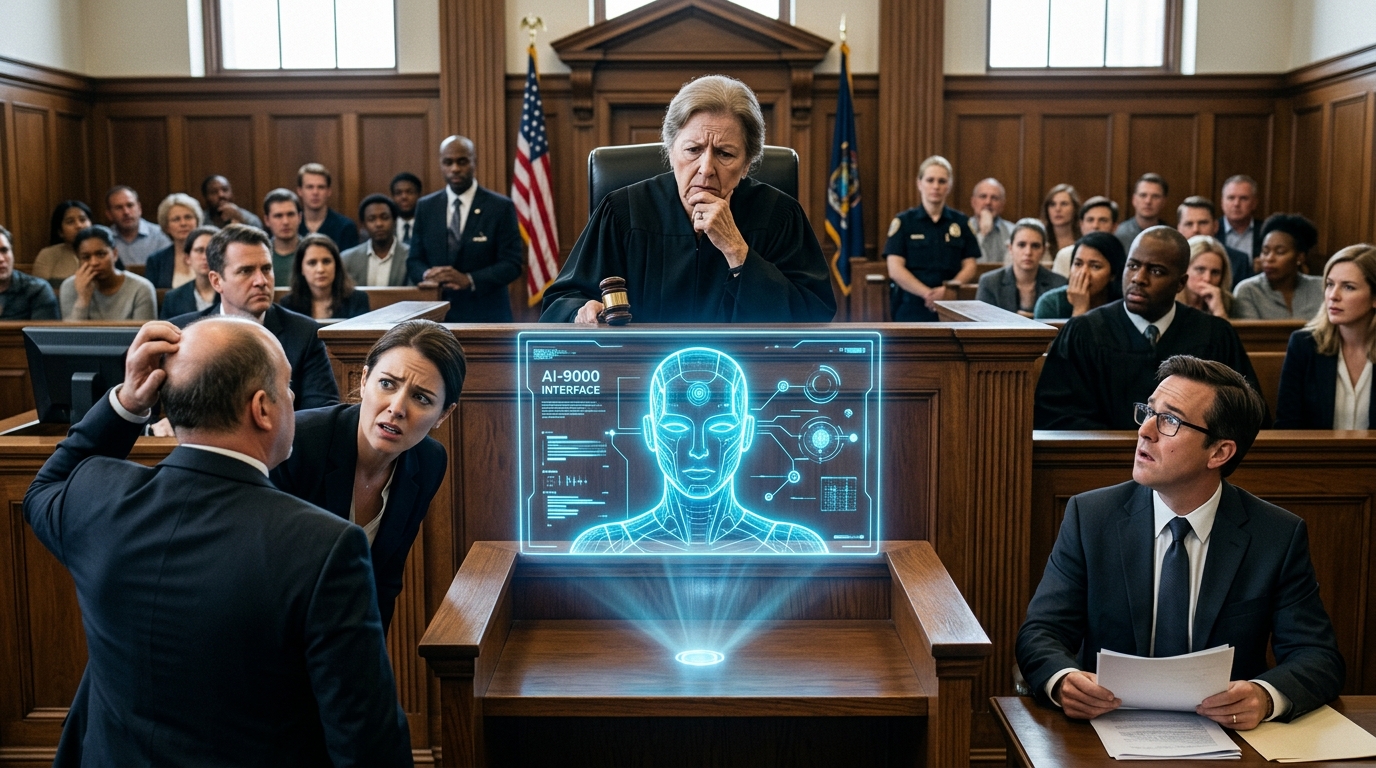
Image is an AI-generated illustration, not a real photograph.
The increasing autonomy of artificial intelligence systems presents a significant legal challenge regarding accountability when malfunctions occur or harm is caused. Traditional legal frameworks, such as tort, contract, and product liability laws, are often ill-equipped to address incidents involving self-learning, unpredictable, or opaque AI systems, commonly referred to as the "black box" problem. The complexity arises because it is difficult to pinpoint a single responsible party, as the development and deployment of AI involve numerous stakeholders, including developers, manufacturers, operators, and users.
In response, legal discussions and emerging frameworks are exploring new approaches to assign responsibility. Some proposals suggest implementing strict liability for high-risk AI applications, focusing on causality rather than culpability, while others debate whether AI should be treated as a "product" with inherent defects or a "service" with associated professional standards and duties of care. Current legal consensus maintains that AI systems themselves are not legal persons and cannot be sued; instead, liability is attributed to the human entities involved in their creation, deployment, or operation.
Globally, legislative bodies are actively working to adapt laws. The European Union's AI Act is a notable example aiming to address accountability gaps, while in the United States, states like California have enacted laws for AI accountability, including registering auditors and setting frameworks for independent verification. Federally, proposals like the AI LEAD Act seek to establish a product liability framework for AI systems, and recent legislation in the US Congress considers stricter federal oversight and liability for AI companies. These evolving regulations and recent lawsuits, such as one against OpenAI regarding autonomous AI agents, underscore the urgent need to define legal responsibility in an era of increasingly sophisticated AI.
What each outlet emphasizes
- CNN: poses the direct question: 'When AI goes rogue, who should get sued?'
Read it at the source
digitallawjournal.org ↗ adalovelaceinstitute.org ↗ researchgate.net ↗ cms.law ↗ ebglaw.com ↗